
A Leadership Contest, a Tax Question, and the Price of Uncertainty
A change of leadership in Downing Street rarely arrives without consequence for the prime and super-prime market, and this one lands at a moment when the sector was already short of certainty. With a Labour succession contest now under way and the property tax debate quietly reopening, PrimeResi Journal gathered the views of leading industry figures, among them The LPF members Becky Fatemi of United Kingdom Sotheby's International Realty and Tom Bill of Knight Frank. Commentary also provided by Priya Rawal Founder of The Luxury Property Forum.
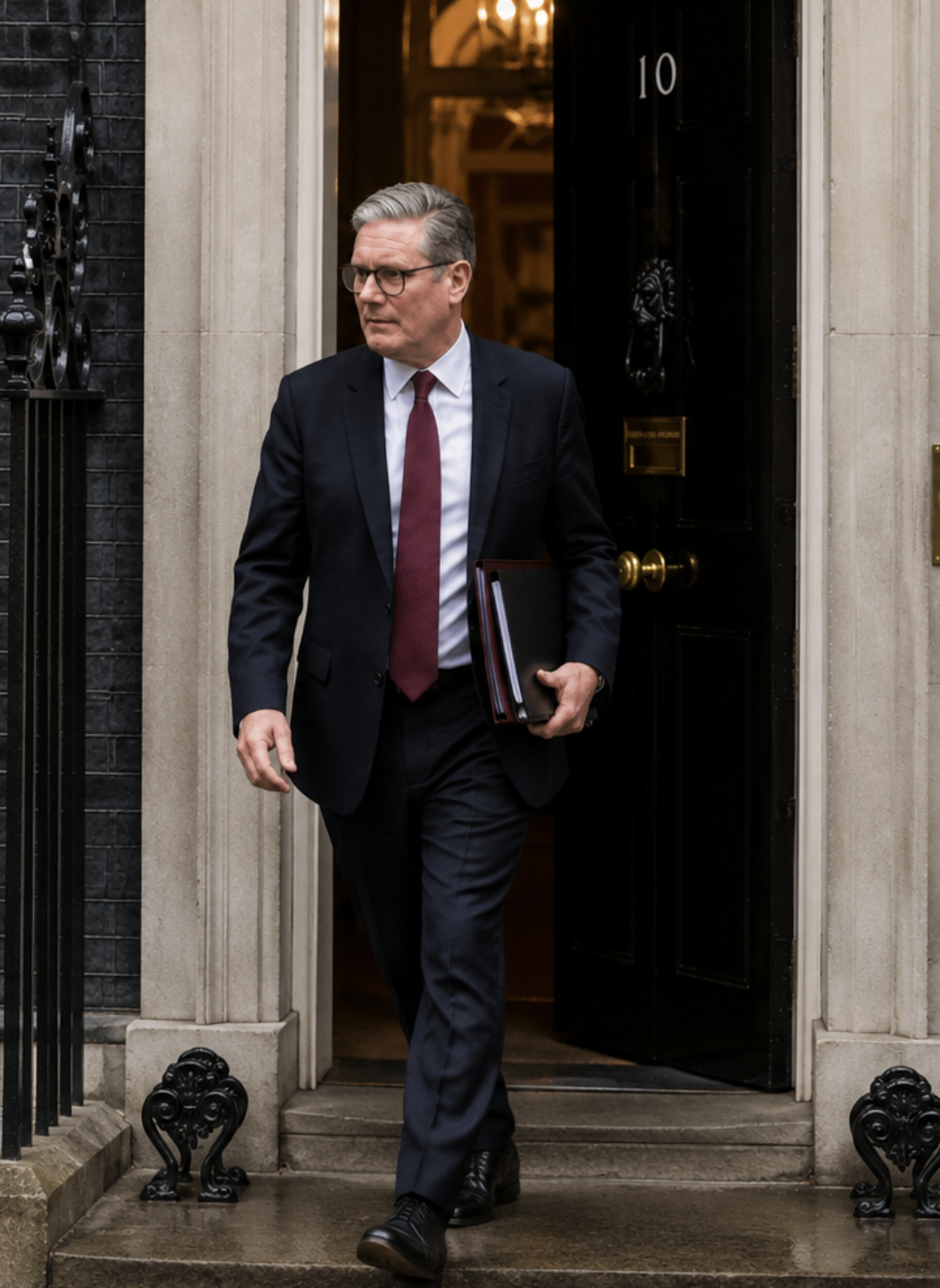
Sir Keir Starmer announced his resignation as leader of the Labour Party on 22 June, triggering a succession contest while remaining in place as caretaker Prime Minister. The party's National Executive Committee is expected to open nominations on 9 July, with a new leader to be confirmed by 1 September. Andy Burnham, recently returned to Westminster and widely seen as the front-runner, has confirmed he will stand. He is not yet in office, and the timeline still has some way to run.
For the prime and super-prime market, the headline is less the identity of the next leader than the period of waiting that now opens up. This is a market that has learned to price almost anything except uncertainty. Buyers and investors at the top end, where a purchase is usually discretionary, tend to pause until they can read the shape of policy clearly. There is a second layer to it: alongside the question of who leads is the question of what they might do on tax. Burnham has a long-standing personal interest in a land value tax to replace stamp duty and council tax, a position he has held in various forms for more than a decade. For now he has committed to Labour's 2024 manifesto, and any wholesale reform of property taxation would be a significant undertaking for a government with limited fiscal headroom and the next general election still some way off. This is direction of travel and speculation, not legislation. But in a sector where higher-value homes are unusually exposed to any shift in the tax base, speculation alone is enough to move behaviour.
Two of the sector's most closely followed voices and LPF Members set out the position clearly in PrimeResi Journal.
Becky Fatemi, Executive Partner at United Kingdom Sotheby's International Realty:

"Starmer's departure creates a fresh layer of uncertainty for the property market. Buyers and investors can cope with almost anything if they know what they're dealing with. What they dislike is uncertainty.
"Whether Labour opts for a leadership contest or Andy Burnham is effectively crowned as Starmer's successor, the market will immediately start assessing what it means for wealth, property and investment. We saw this ahead of last year's Budget, when transactions slowed and many buyers chose to wait for clarity.
"A prolonged contest risks putting the market into a holding pattern once again. At the top end, where purchases are often discretionary, confidence is everything.
"There is also the prospect of a double whammy: uncertainty over future policy, followed by concern about the policies themselves. If Burnham becomes Prime Minister, many buyers will question what his long-standing support for property tax reform means for higher-value homes. The concern is simple: higher costs make the UK less competitive, reducing investment and encouraging globally mobile wealth to look elsewhere."
Tom Bill, Head of UK Residential Research at Knight Frank:
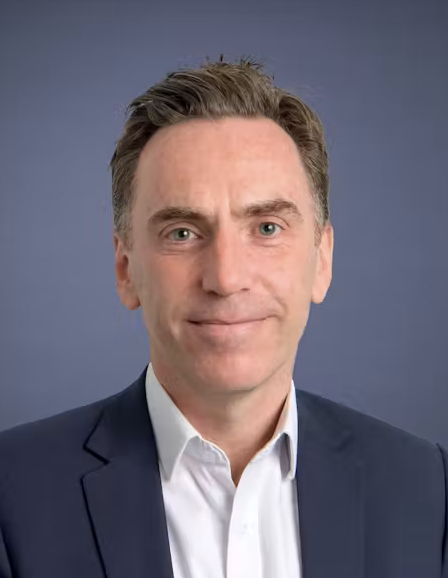
"In a similar way to last year, the biggest risk for the residential market over the next few months is speculation. Further uncertainty around wealth and property taxation means buyers and sellers may hesitate while the content of the next Budget and the identity of the next Chancellor remains unclear.
"The reality is that policies like a fundamental overhaul of stamp duty is not something a government on the financial back foot with two and a half years before the next scheduled general election can manage. Bond markets have priced in a Burnham victory to some extent, but mortgage costs could be pushed higher if investors read stories that point to higher taxes and untargeted spending."
Priya Rawal, Founder of The Luxury Property Forum says:

“What I keep coming back to is a market being tested at both ends at once.
On the demand side, the change of leader is not really the issue. It is the waiting, and the uncertainty and speculation that fill the gap while we wait. The pattern is a familiar one by now. Confidence starts to come back, people begin to feel there is finally a clear run ahead, and then something lands and we all step back into wait and see. London has absorbed political upheaval before and it will again. But buyers at this level do not have to move, and when they cannot read the rules they simply don't. Leave a market sitting still for long enough and it starts to feel like one in decline, even when nothing in the fundamentals has actually shifted.
The supply side is where I think the more serious problem sits. You cannot tax, regulate and burden your way to more housing. Building has never only cost what the materials and the finance cost. It is everything layered on top, each obligation reasonable enough on its own and something else entirely once you stack them up: Section 106, the Community Infrastructure Levy, Biodiversity Net Gain, the Building Safety Levy, and for the taller schemes the gateway process that now sits between an ambition and a start on site. None of it is unreasonable in isolation. Together, it decides whether a scheme stands up, and more and more often it doesn't, which means homes that never get built and a thinner pipeline for everyone working behind the scenes, the contractors, the architects, the suppliers who only do well when something is actually moving.
So demand and supply are pulling in the same anxious direction, and at some point policy has to choose: bring buyers back, or keep loading cost onto the people doing the building. It cannot do both and still expect the homes to follow. Until that choice is made, the work is to keep a clear head and stay close to the right people. Clarity is in short supply just now, and when it does arrive it tends to reward those who were ready for it, not those who simply waited.”
GET IN TOUCH
To find out more about Prime Resi and for subscription enquiries or queries
subscriptions@primeresi.com