
Designing differently for developers and private clients - Angel O'Donnell
Angel O'Donnell launched in 2018 with a clear mission: to approach every project with a blank slate, not a signature style. Many thought the studio naive for choosing not to have a recognisable look, but sticking to its guns has paid off, for the studio and, more importantly, for its clients.
When a designer approaches a client with a predetermined formula, a style it is famous for, it becomes much harder to create a home that truly reflects their wants, needs and aspirations. That is why Angel O'Donnell never repeats a look. No two clients are the same, so why should the interiors be?
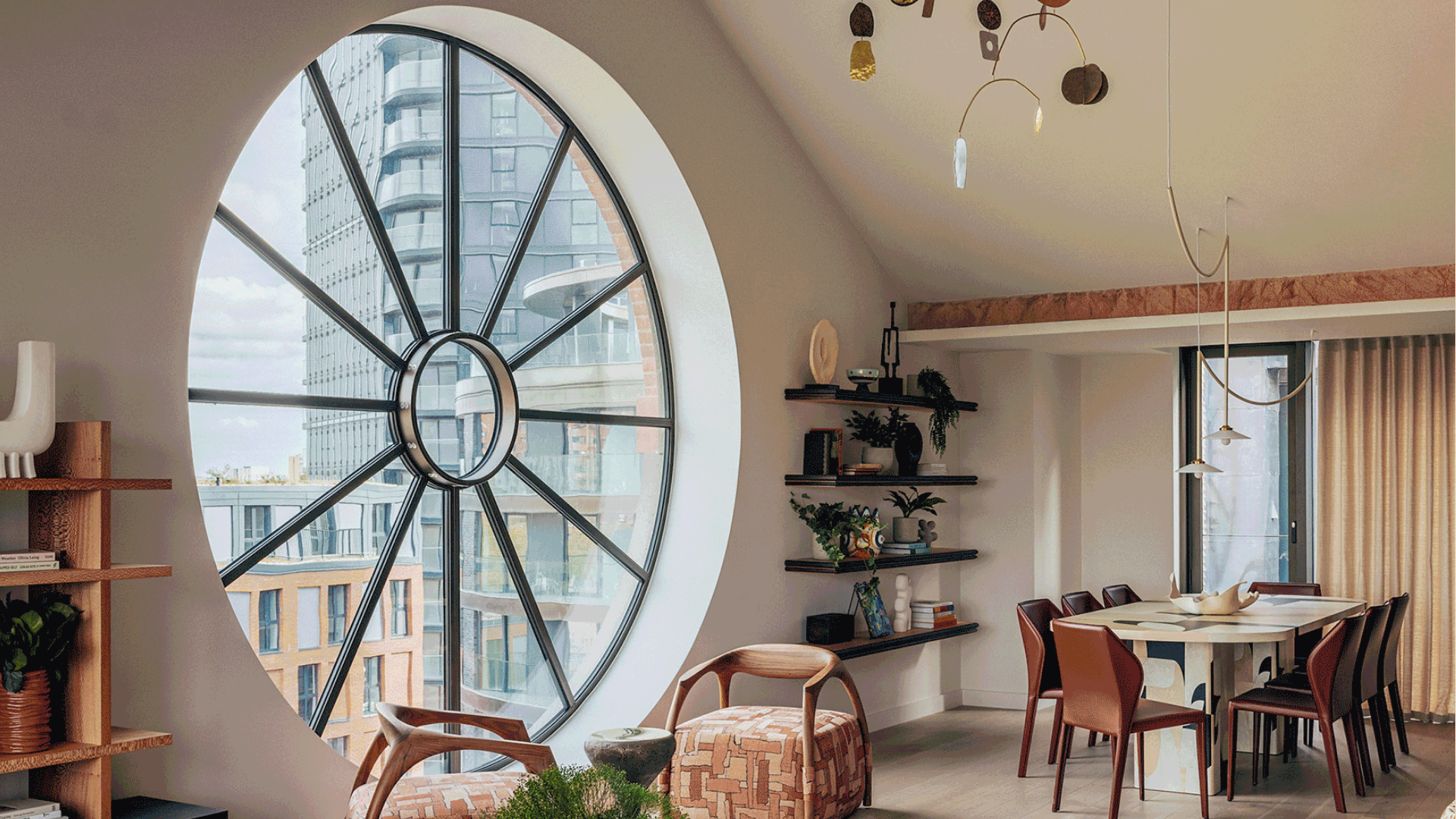
Image credit: Angel O'Donnell
Each client, the studio argues, deserves something unique:
For private clients, that means a one-of-a-kind forever home.
For developers, it is a PR-able, sellable showpiece that accelerates sales and reflects their brand values.
While both groups want homes that sell or live beautifully, the dynamics behind the brief are very different.
Powerhouse at Chelsea Waterfront
A case study on what developers want
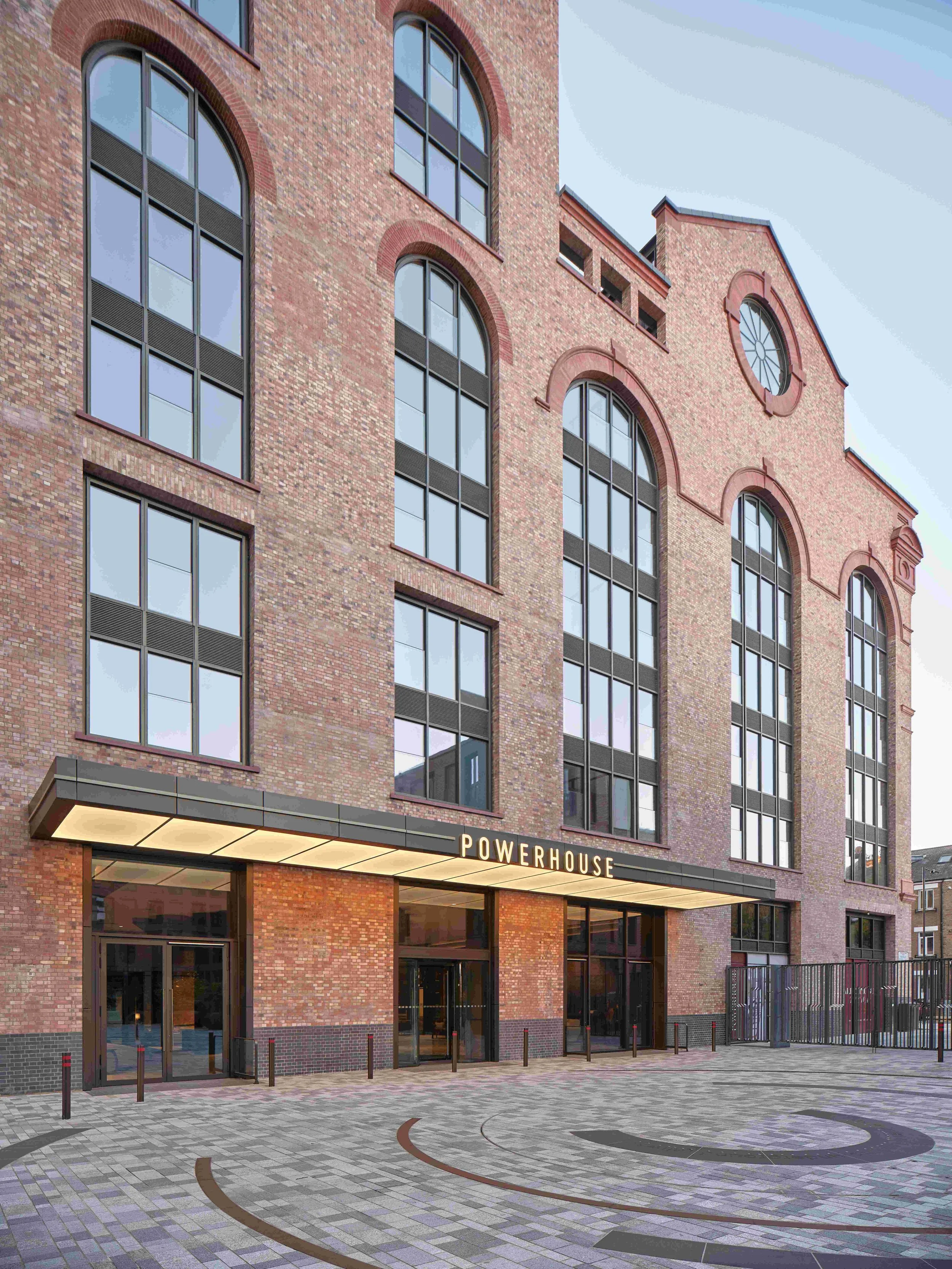
Image credit: Angel O'Donnell
Time, transparency and reassurance
Developers, such as Hutchison Property Group behind Powerhouse, typically work to tighter programmes and fixed budgets. They may need less hand-holding day to day, but they still deserve time, transparency and reassurance that the design is locked into the fabric of their development: something tailored, not templated. The right scheme becomes part of the asset. It lands a launch, photographs brilliantly and can be promoted across multiple channels.
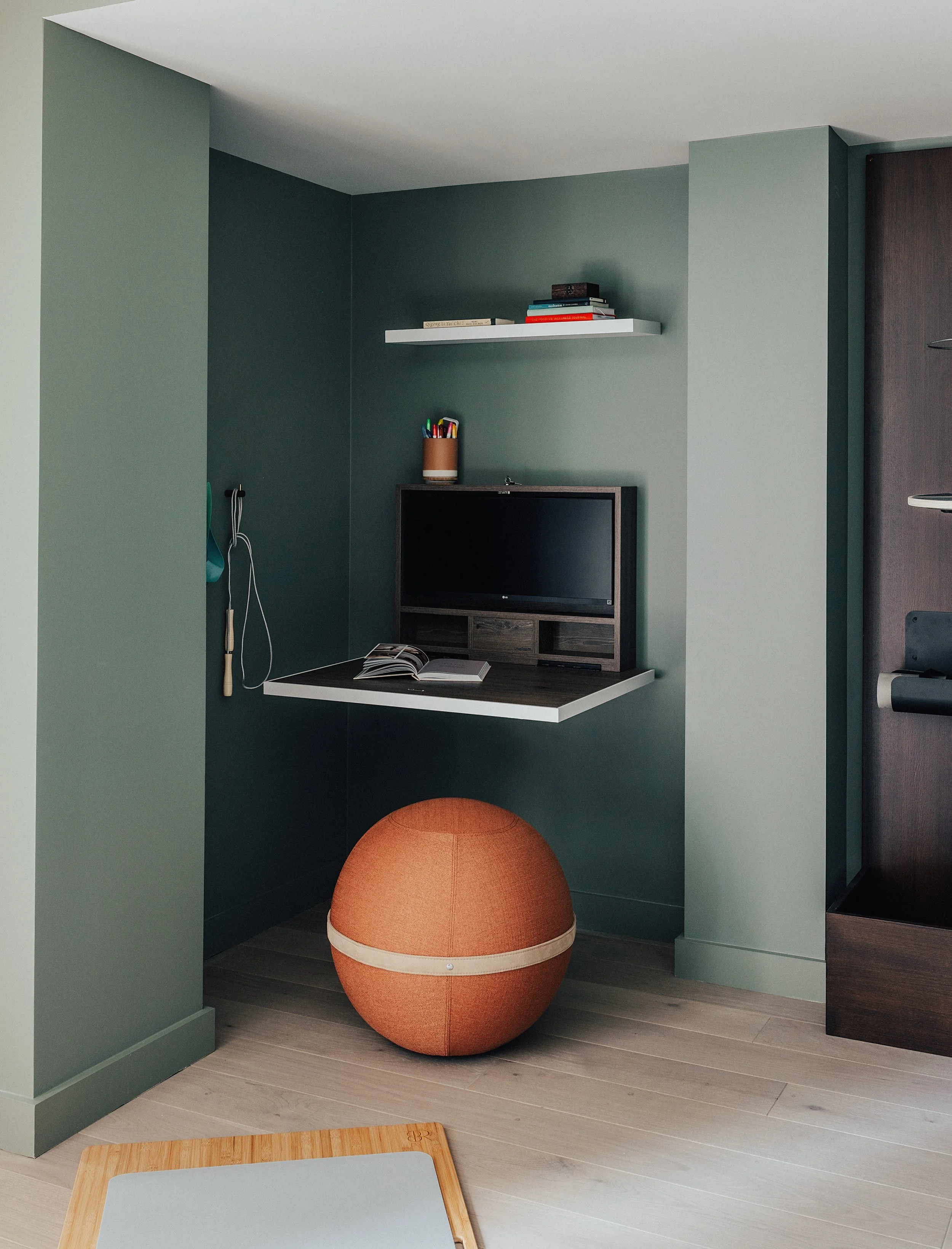
Image credit: Angel O'Donnell
Meeting modern needs
The studio rejected predictable 'industrial chic' in favour of contemporary patterns, colours, textures and modern touches such as an analogue listening room and yoga-study, all to celebrate the building's new lease of life.
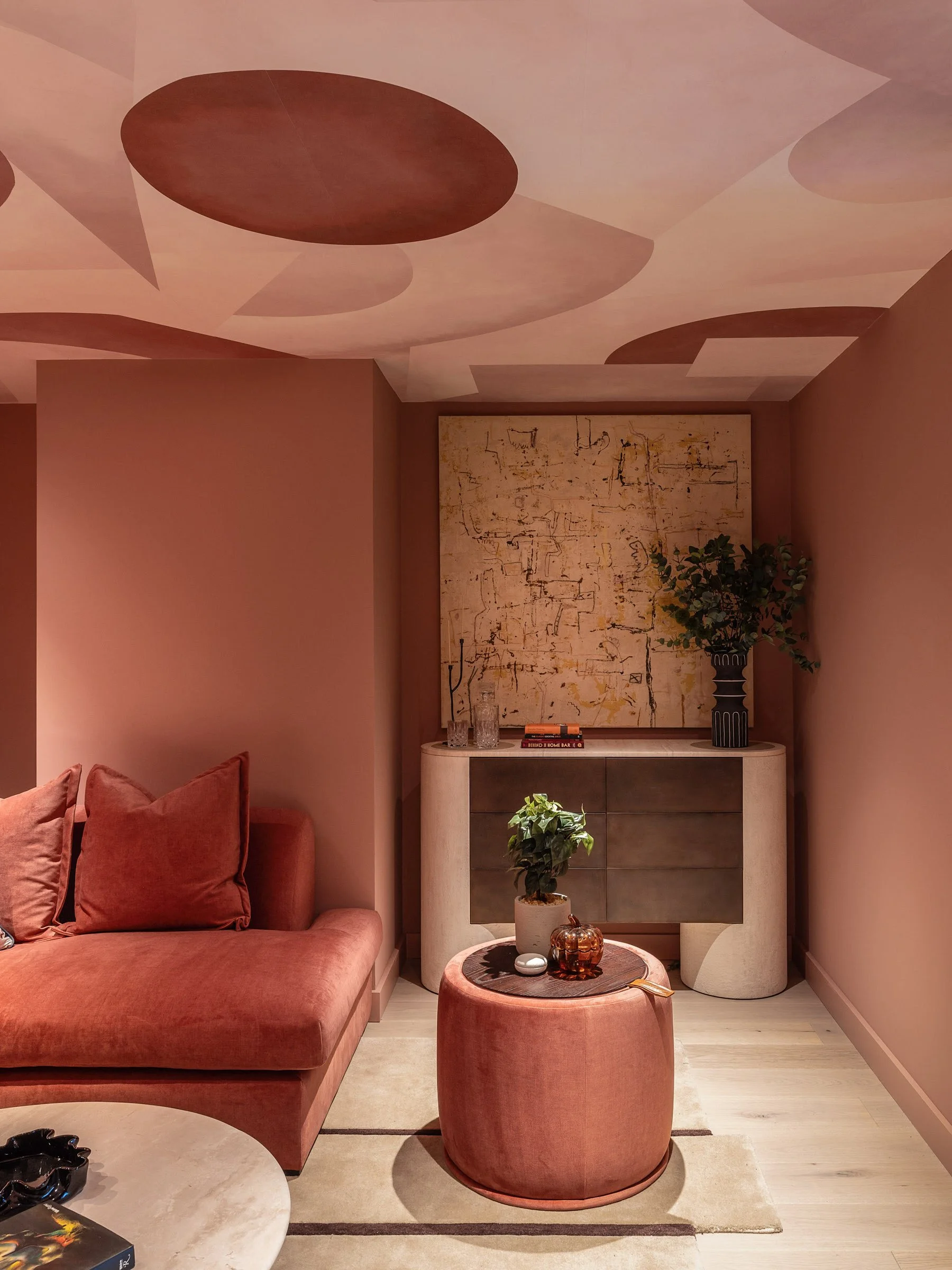
Image credit: Angel O'Donnell
Honouring the development
Instead of creating an ode to nostalgia, Angel O'Donnell found fun and innovative ways to honour the building and its location: arch-relief wallpaper (shown above) that echoes the monumental façade, and a petal-pink snug with a bespoke ceiling mural, designed in-house to appear dappled like sunlight reflecting off the area's waterways.
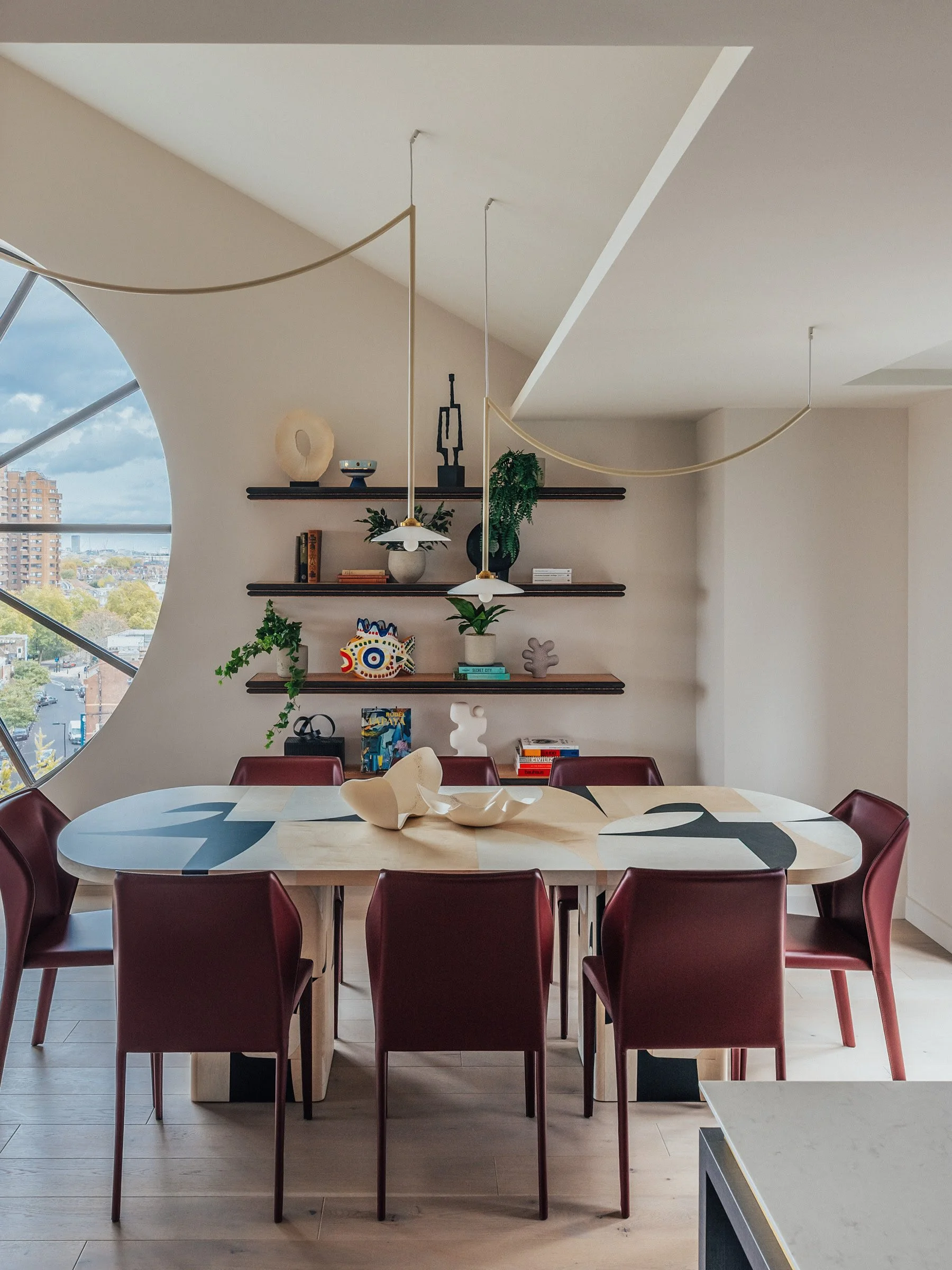
Image credit: Angel O'Donnell
Keeping it fresh
The studio had never done a look like this before, which makes it an 'ownable' creation both for Hutchison and whoever buys it. Today, more than ever, buyers are looking for turnkey properties, insta-lifestyles. Deliver that and show residences will often sell with the FF&E included. That is a win-win for everyone.
The OWO Residences
A case study on what private clients want
Not a commercial exercise - a once in a lifetime dream
Private clients, by contrast, often enjoy longer lead times and a gentler decision-making curve. Many relish in-person time with the studio – visiting the office, meeting the team, joining supplier visits, and feeling immersed in the process. For them, this is not a commercial exercise, it’s a once-in-a-lifetime dream. They’ve worked hard, achieved success, and now they’re celebrating that success by creating a home that feels like them.
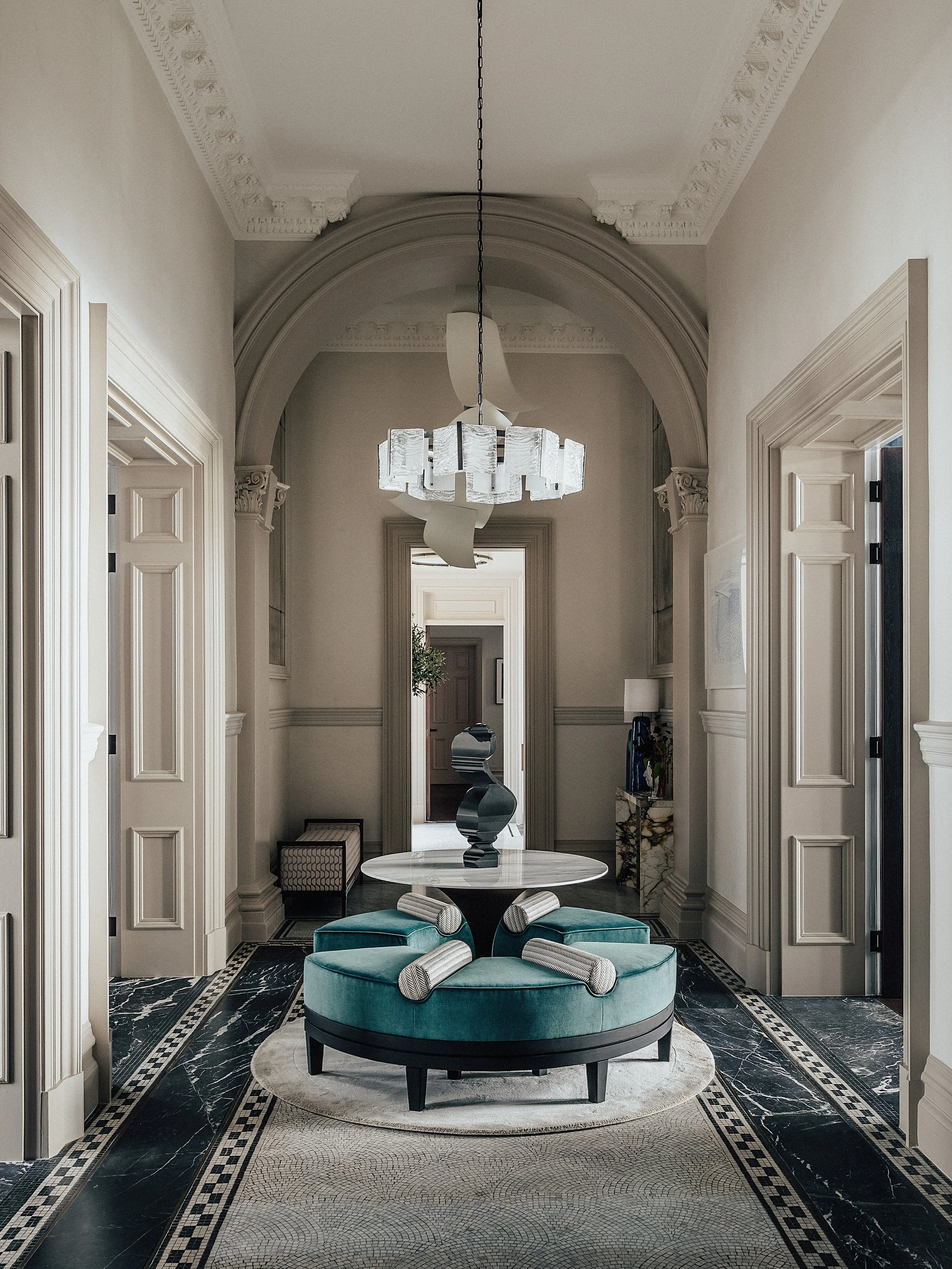
Image credit: Angel O'Donnell
Earning trust
When a private client appoints an interior design studio, it’s often at a pivotal moment – selling a business, emerging from a divorce, marking a new relationship, or growing a family. They’re deeply personal, emotionally charged milestones. Inviting designers across the threshold is an act of trust, and every touchpoint must honour that: the selling agent who makes the introduction, the architect, interior designer, landscaper, art consultant, even the installer on site. Respecting that emotional context is what turns a good project into a great one.
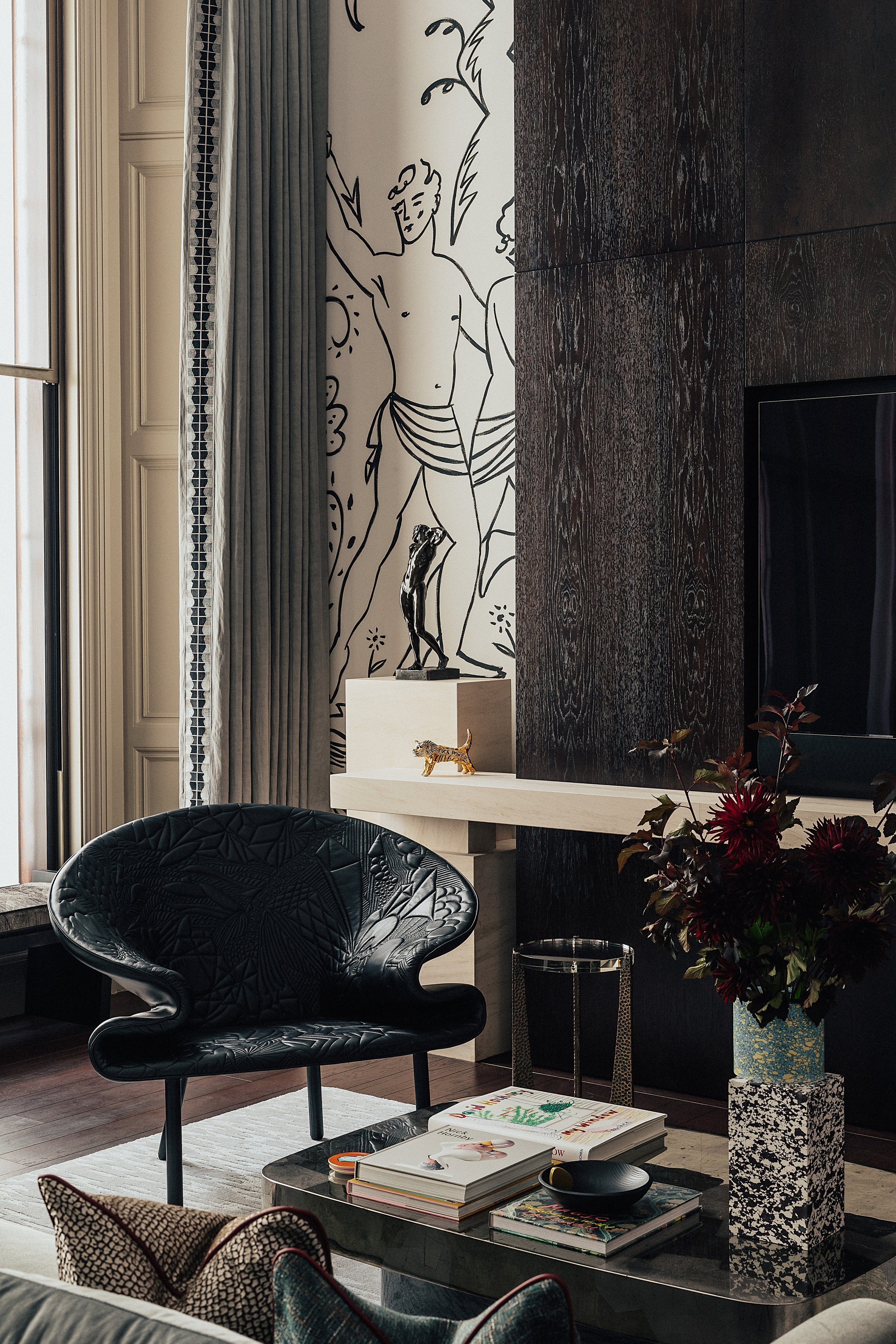
Image credit: Angel O'Donnell
Personalising every detail
Our private clients – a high-flying Floridian couple and their sixteen-year-old daughter – tasked us with creating a home-from-home with elevated details worthy of the major interiors magazines. Add a desire for museum-level queer art and a daughter’s dream of luxuriating in a bedroom inspired by the romanticism of a French Château, and we knew we were in for a treat.
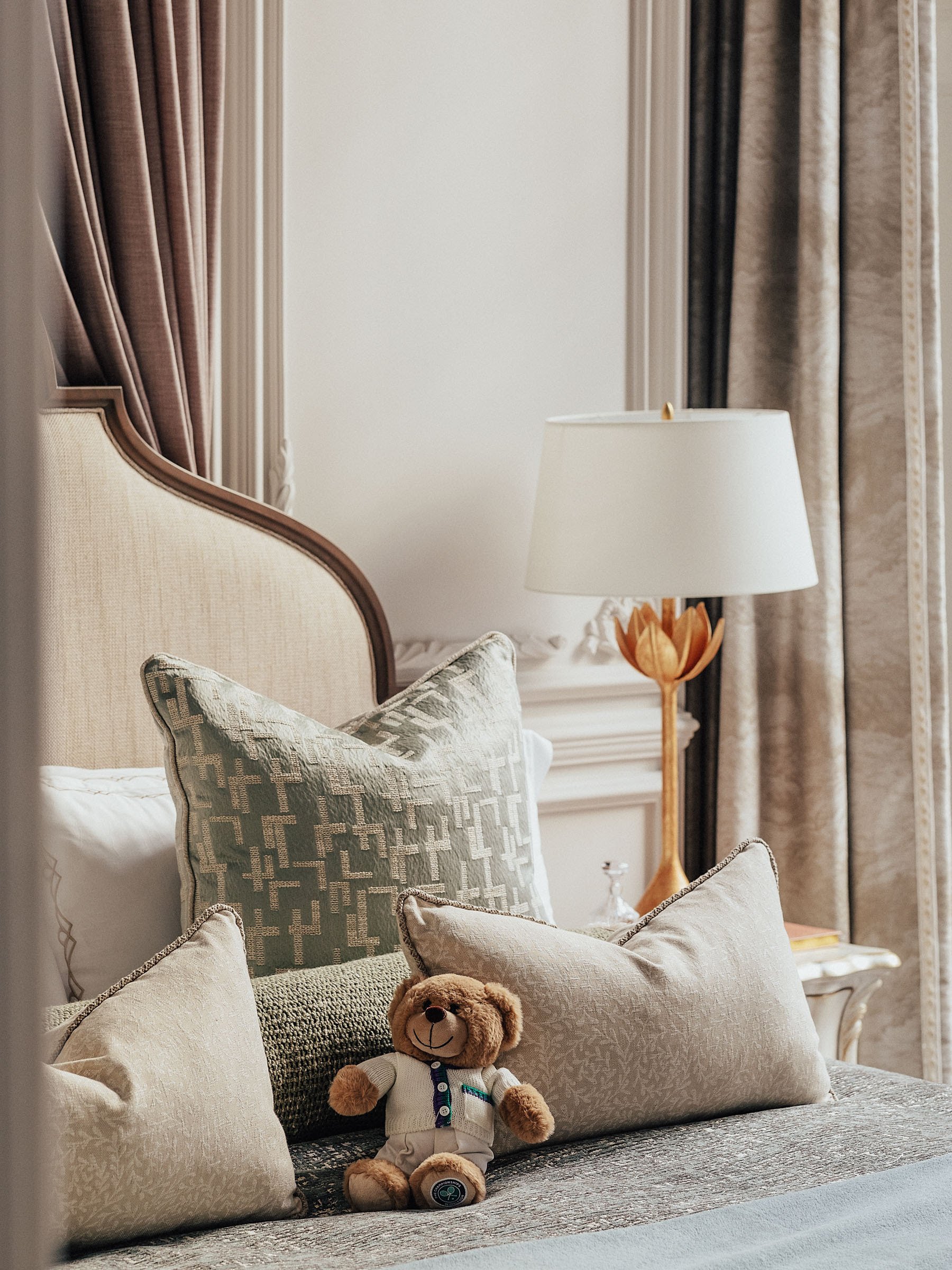
Image credit: Angel O'Donnell
Designing with emotion
We set to work ensuring every piece of art we curated, and every archway, moulding, coffered ceiling, and joinery unit we designed honoured our clients’ passions, ambitions, and lifestyle. Seeing their newly designed home for the first time, they beamed – knowing we’d listened closely, responded respectfully to feedback, and found imaginative ways to surprise and delight them.
This was not transactional, it was emotional. And whether you’re an interior designer, architect, or buying agent, tailoring your approach to each client is the surest way to forge meaningful connections, deliver the best product, build loyalty and drive sales.
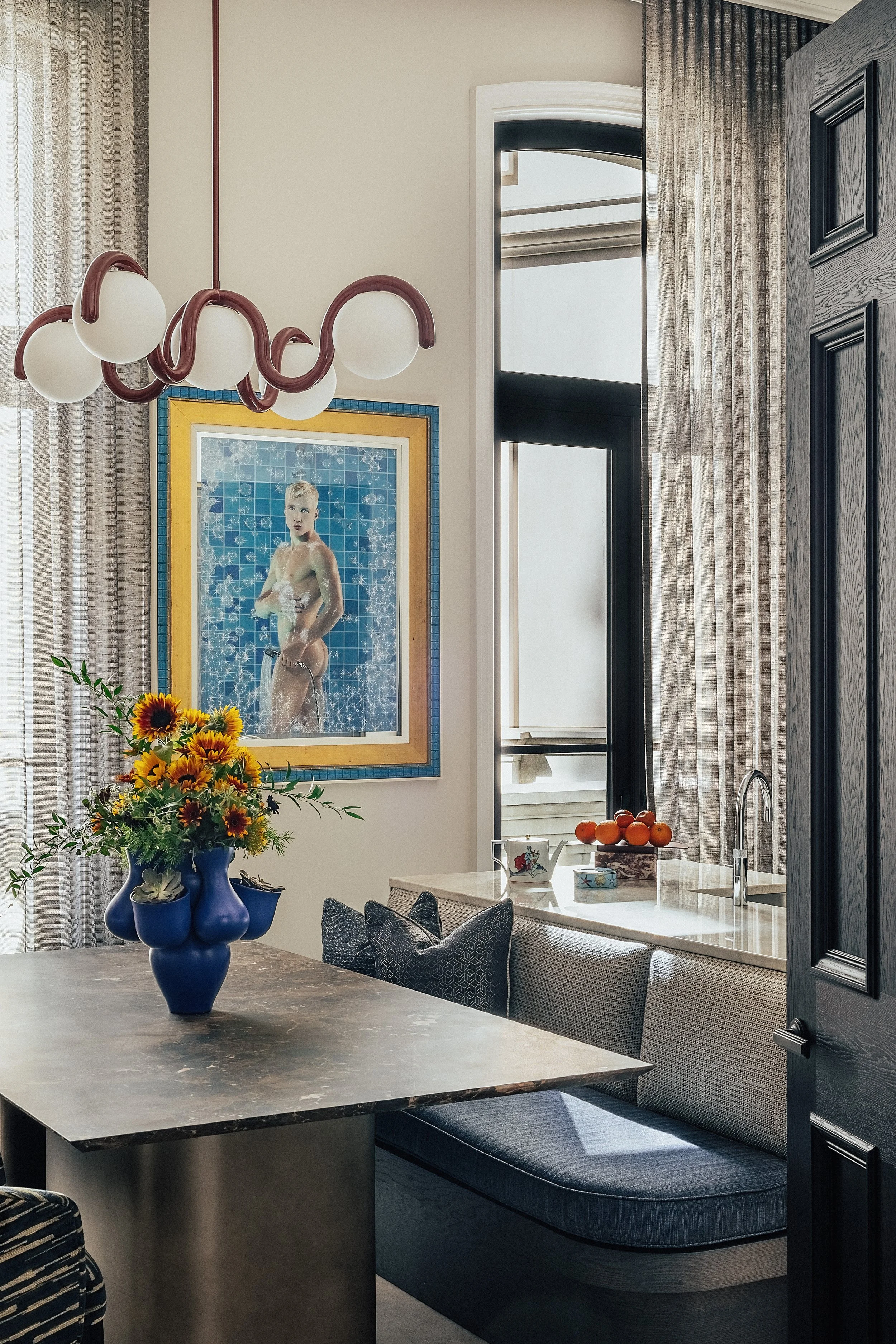
Image credit: Angel O'Donnell
Five ways to design differently for developers and private clients
Start with psychology. Ask what the project represents, a life milestone or a balance-sheet asset, and shape timelines and communications accordingly.
Tailor the process. Developers need clarity, speed and measurable outcomes. Private clients need time, storytelling and reassurance that every detail reflects them.
Design for photos and for life. Both show apartments and private homes must photograph beautifully and perform brilliantly, morning to night.
Create 'ownable' details. A bespoke mural referencing a building's location or a gallery reflecting a client's identity can make a scheme memorable and PR-able.
Think beyond handover. For developers, that means turnkey lifestyles that shift stock quickly and profitably. For private clients, it means spaces that express their tastes and can evolve gracefully with the people living in them.
About Angel O’Donnell
Angel O'Donnell's distinction between the developer brief and the private commission is a useful one for the wider value chain. Whether the client is building an asset or a forever home, the principle holds: the studios that read the brief behind the brief, commercial or deeply personal, are the ones that earn trust and repeat work. It is exactly the kind of considered, collaborative practice The LPF exists to champion.
get in touch
Angel O'Donnell is a member of The LPF. To discuss a project, the studio welcomes enquiries from developers, private clients, suppliers and press.
Visit their website: www.angelodonnell.com