
Murudé: Beyond the Wellness Room
Murude Katipoglu, Founder and Creative Director of Murudé, begins every project not with a floor plan but with a visit. She wants to see how a client actually lives before she considers how they might live better. It is a discipline that runs through everything her studio produces, and it shapes the argument she makes here: that wellbeing in the home is not a room to be added, but a quality that should run through every material, every space and every hour of the day.
As a member of The Luxury Property Forum, Murude Katipoglu shares her perspective on wellbeing in luxury living. Her concern is less with the scale of wellness real estate's projected growth to US$1.1 trillion by 2029 than with what risks being lost inside it: the difference between a home that lists wellness features and one that is genuinely built around how people live.
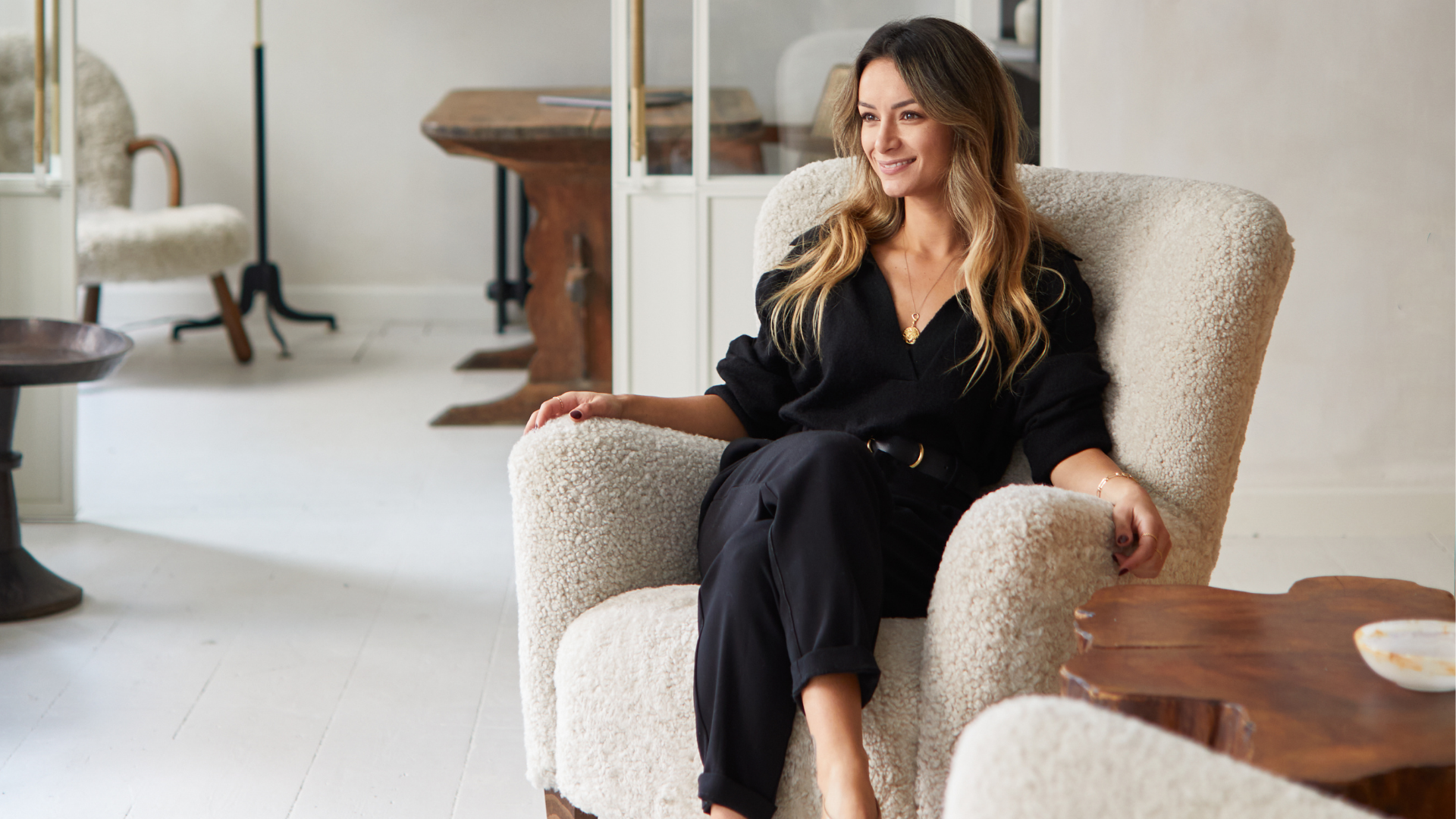
Luxury property has always mirrored the preoccupations of its age. Scale, address and the quality of a finish have long defined prestige, and they still do;, they remain the foundations on which any well-designed home is built. But to these enduring measures, a quieter, more personal one is now being added: ‘how well a home allows the people inside it to live’. At Murudé, we believe this new dimension demands more than a dedicated wellness room. Wellbeing is not a single space to be visited; it is a quality that should run through every room, every material and every hour of the day.
That conviction sits a little against the grain of how wellness is often delivered. Not long ago, a gym or a sauna was an optional extra, added if the basement allowed. Now, as a studio, we are asked to create entirely new floors for wellbeing spaces, this includes gyms, steam rooms, saunas, pools, treatment rooms and generous areas for rest and recovery, with all of the latest technology. Clients who once requested a home cinema are now more likely to ask for a wellness floor. It is a striking reversal, and a welcome one. But it also carries a risk: that wellbeing becomes another amenity to be ticked off, rather than a principle that shapes the whole house.
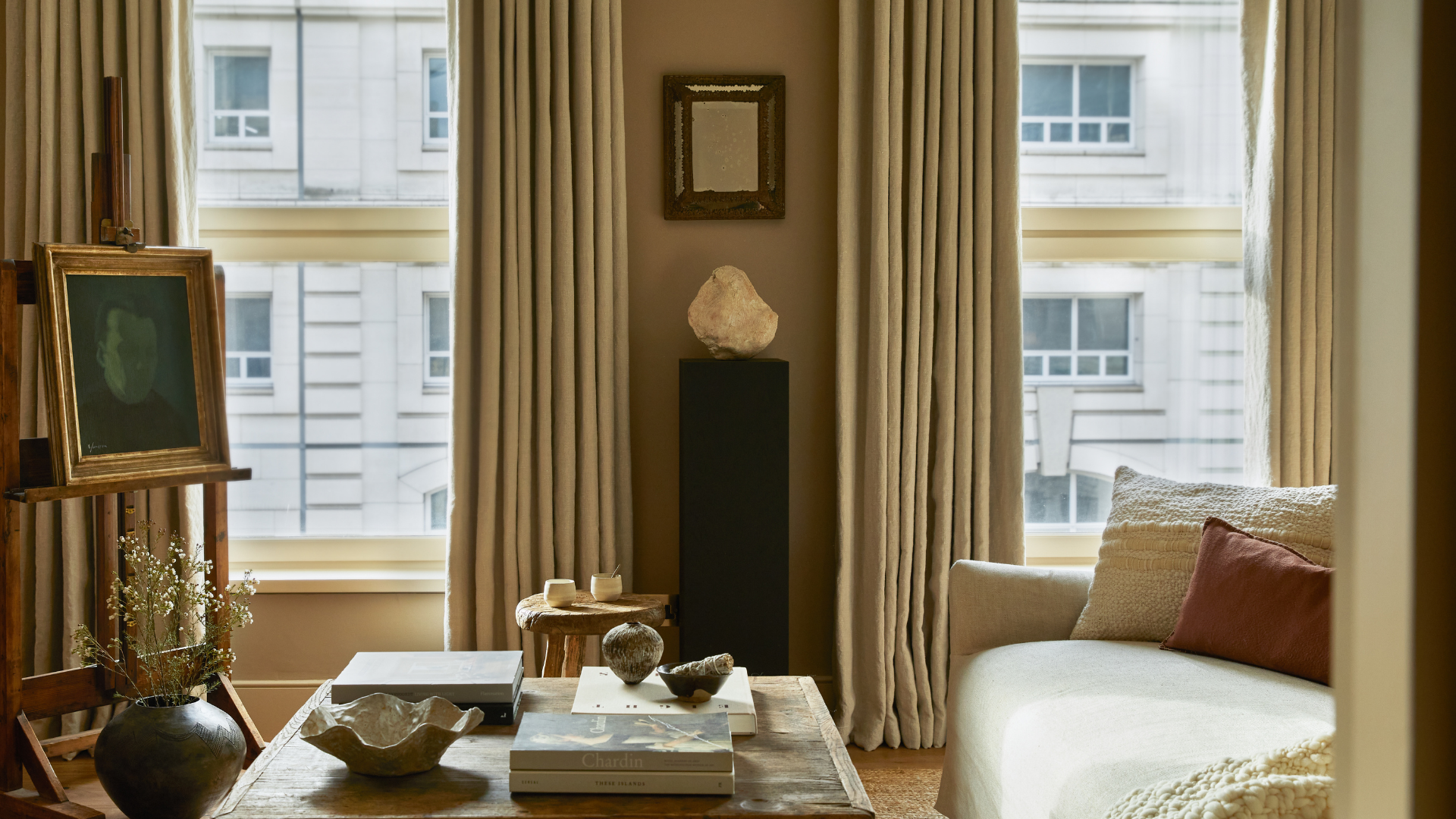
When approaching wellness within the home, we often start somewhere less obvious than the floor plan. Before we design anything, we ask to visit clients in their existing homes. A home tells us more in an afternoon than a brief can in a month. Seeing and experiencing how someone rests and entertains, where they gravitate to the most, what they reach for, the aesthetic choices they have already made instinctively, these are what tell us a home can improve a person's lifestyle and indeed, wellbeing within the home. We also ask lots of questions during this stage. It’s a form of profiling, and we find it endlessly revealing.
Once we understand how a client lives now, we turn to how they want to live next. Our projects can often unfold over years, and lives move within them: children grow, routines change, a household at one stage becomes a household at another. So we ask people to describe not the rooms they want but the life they imagine, and, almost always, they answer in feelings. They describe how they want a morning to feel, how they want to arrive home, and how they want a weekend to unfold. That language of feeling is the part of the conversation we find most exciting, because it is where design truly begins.
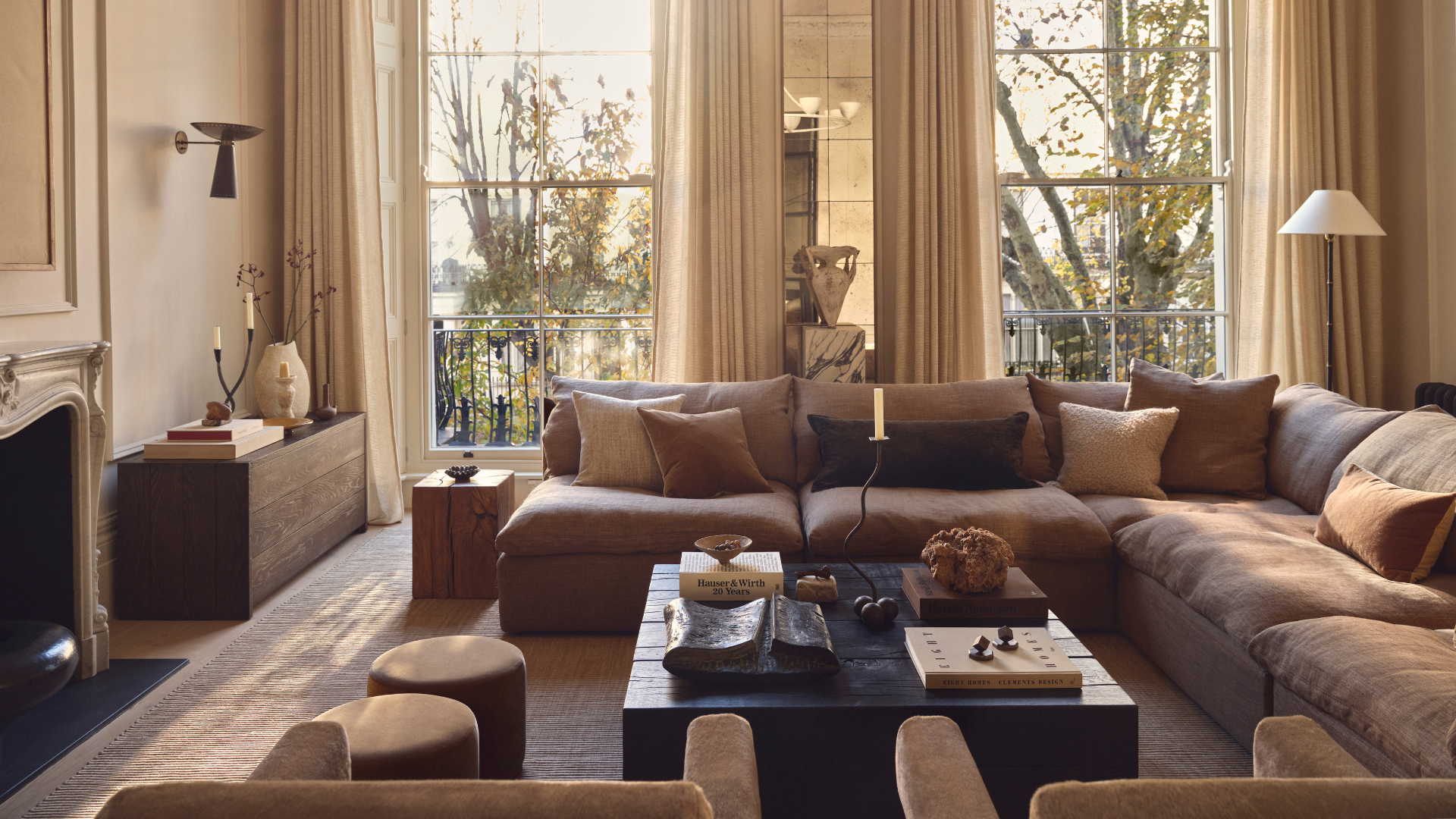
From there, we build a narrative. For us, a described feeling resolves quickly into something visual and material. There is also a parallel in the world of scent: master perfumers who travel the world for the finest wildcrafted woods, resins and oils often ask people whether they can smell a colour, and the answers are remarkably consistent; a note of helichrysum reads as yellow, all burnt hay, honey and a little sunshine; vetiver and basil read as green. Feeling works the same way for us. A client’s description becomes an image, the image suggests a spatial plan, and the plan calls for particular materials, colours and light. That narrative then guides every decision from concept to completion.
A feeling, of course, is not built from looks alone. How a surface meets the hand, space sounds, how it smells, these matter as much as how it looks. A room can be beautiful and still feel wrong if it is acoustically harsh or cold to the touch. So we design for all the senses at once, because that is how the body actually registers a place, and how a place quietly supports or undermines wellbeing.
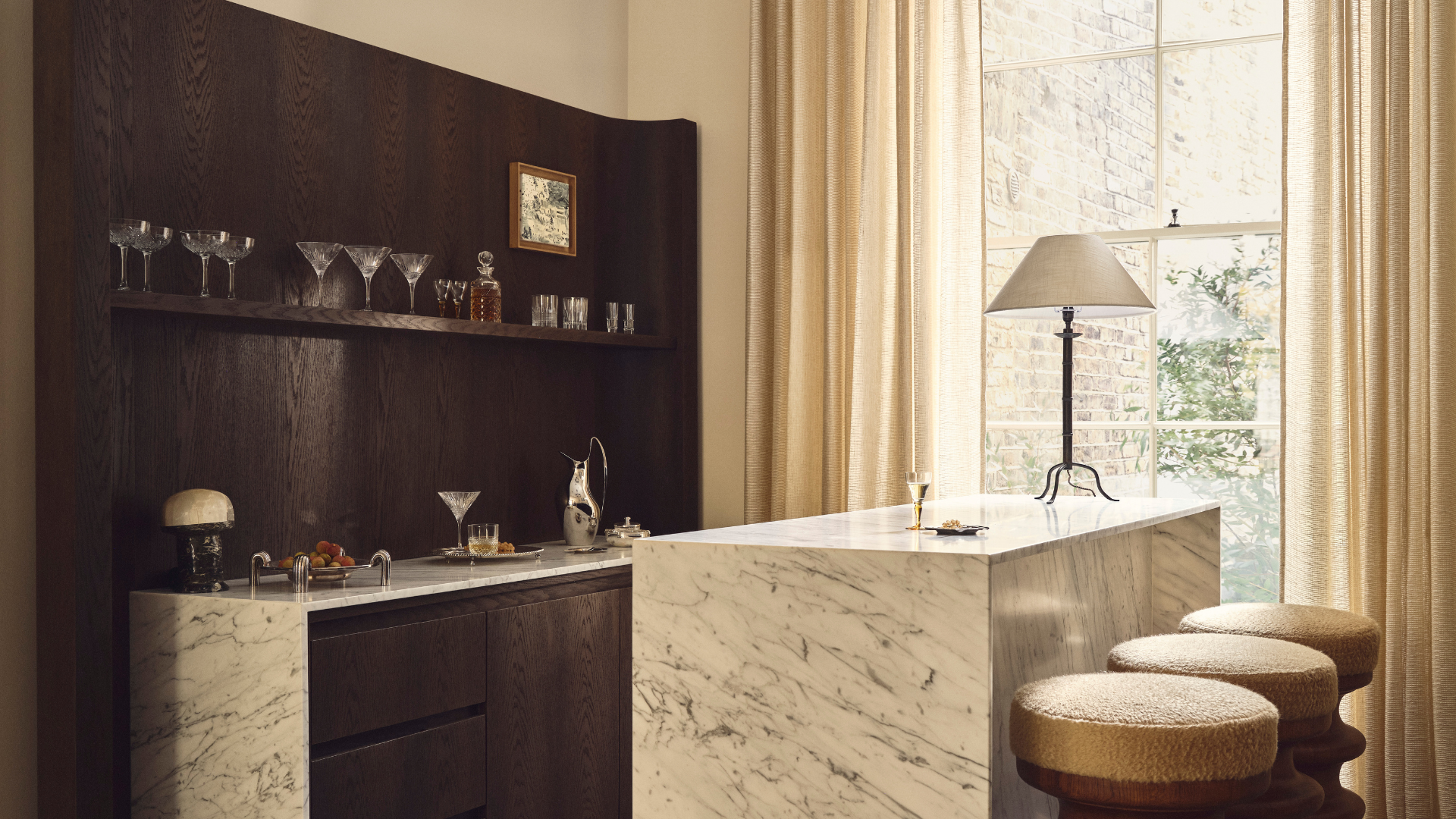
This is why we are increasingly interested in building wellbeing into the fabric of a home, rather than confining it to a single room. On our current Chelsea Square project, we are exploring how aromatherapy can be integrated into the ventilation system itself, so that scent profiles can shift through the day, restorative and calming in the evening, brighter and more energising for entertaining. The same thinking applies to natural light, acoustic comfort, and the way rooms are planned to encourage movement, connection, and rest. The most powerful of these moves are often the least visible.
We see the same evolution in hospitality. We are currently developing a hotel concept with a substantial spa and wellness offering, reflecting a wider shift in which operators devote more space and investment to wellbeing than ever before. Increasingly, guests treat these spaces not as an add-on but as the reason to visit. The destination is no longer the suite; it’s the experience of feeling better for having stayed.
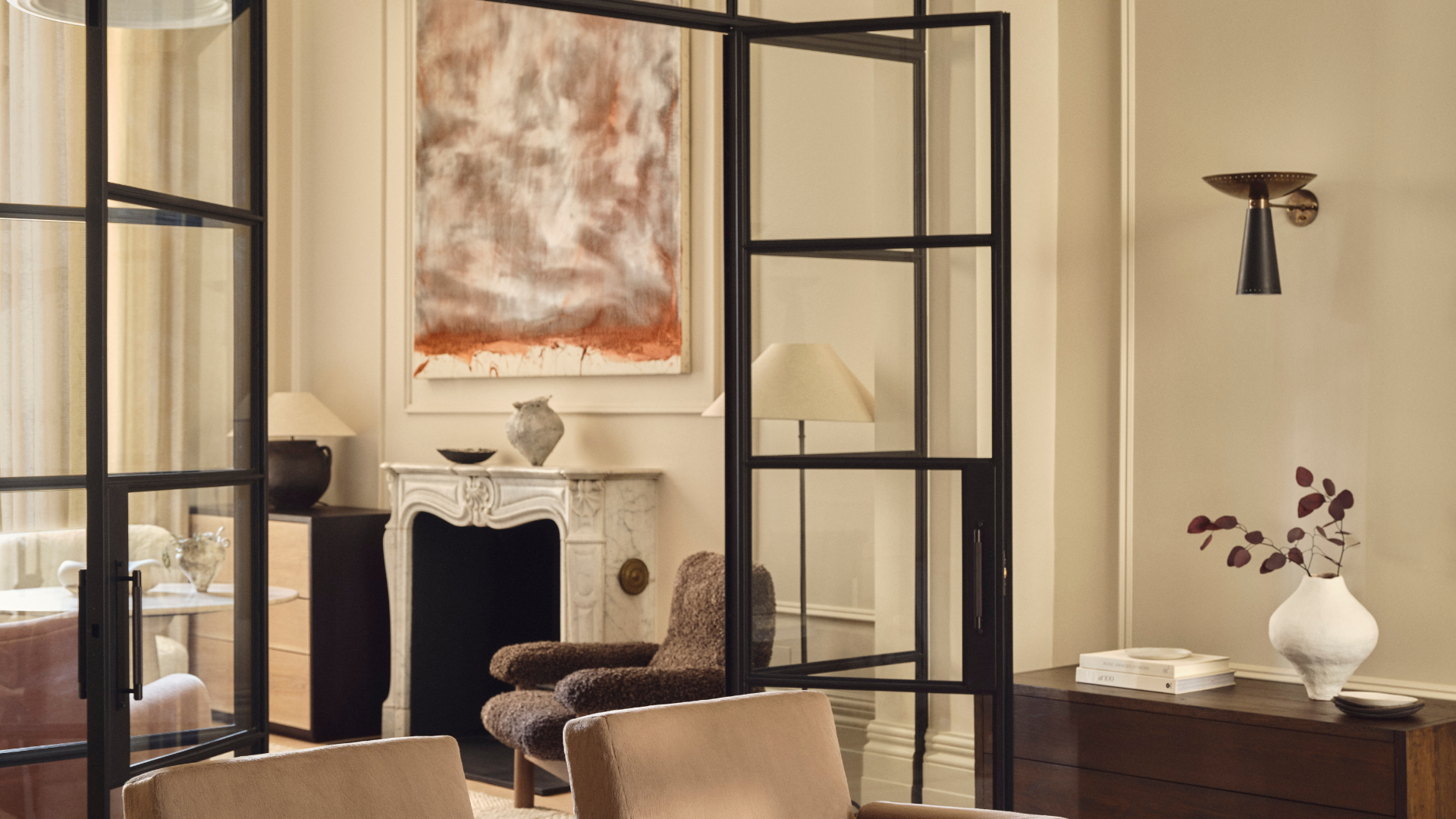
The market has noticed. Wellness real estate is one of the fastest-growing segments of the global property market, with the sector projected to grow from US$584 billion in 2024 to US$1.1 trillion by 2029, according to the Global Wellness Institute. However, there is a danger that, as the category matures, wellbeing will be reduced to a checklist of recognisable features, while the everyday experience of the house remains unchanged.
We believe wellbeing is not a standalone room or a fashionable feature; it is what happens when a home is designed around how people genuinely live.
Designed this way, a home does more than impress on arrival. This is the work we care about most, and the work we do best, creating spaces that are not only beautiful to look at, but restorative to live in. Places that are in every sense ‘well’.
About Murudé
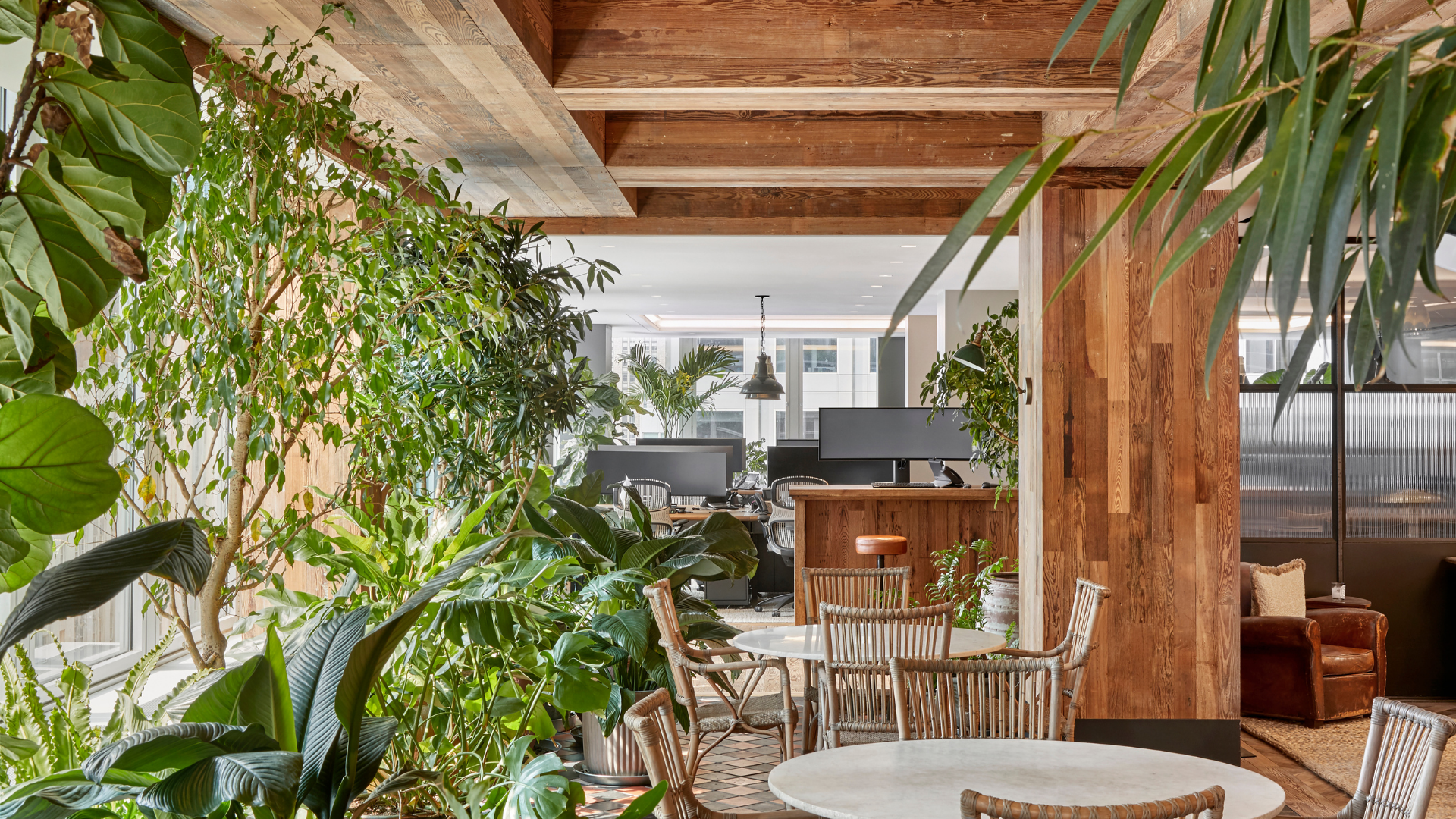
Murudé is a London-based interior design studio specialising in high-end residential and boutique hospitality projects. Known for creating bespoke, timeless interiors that blend modern elegance with historical charm, Murudé focuses on designing spaces that are not only beautiful but also thoughtfully tailored to the people who will inhabit them. With an emphasis on natural materials, quality, and craftsmanship, Murudé ensures each project is designed to balance aesthetics and practicality, resonating on both an emotional and tactile level.
get in touch
To find out more about Murudé, please contact the team using the details below:
T: +44 (0) 204 636 9813
E: studio@murude.com
Visit their website: www.murude.com