
Studio Hooton: Designing Homes with Enduring Individuality
In this LPF Industry Leaders Interview, Priya Rawal sits down with Emma Hooton, Design Director of Studio Hooton, a London-based studio specialising in full-house residential projects across the super-prime sector. Working closely with private clients, developers and project teams from the earliest stages, the studio creates homes that are deeply personal, meticulously considered and designed to endure.
At a time when much of the luxury market leans towards a recognisable visual shorthand, Studio Hooton takes a more deliberate approach. Its interiors are layered, nuanced and grounded in craftsmanship, history and the individual character of those who will live in them.
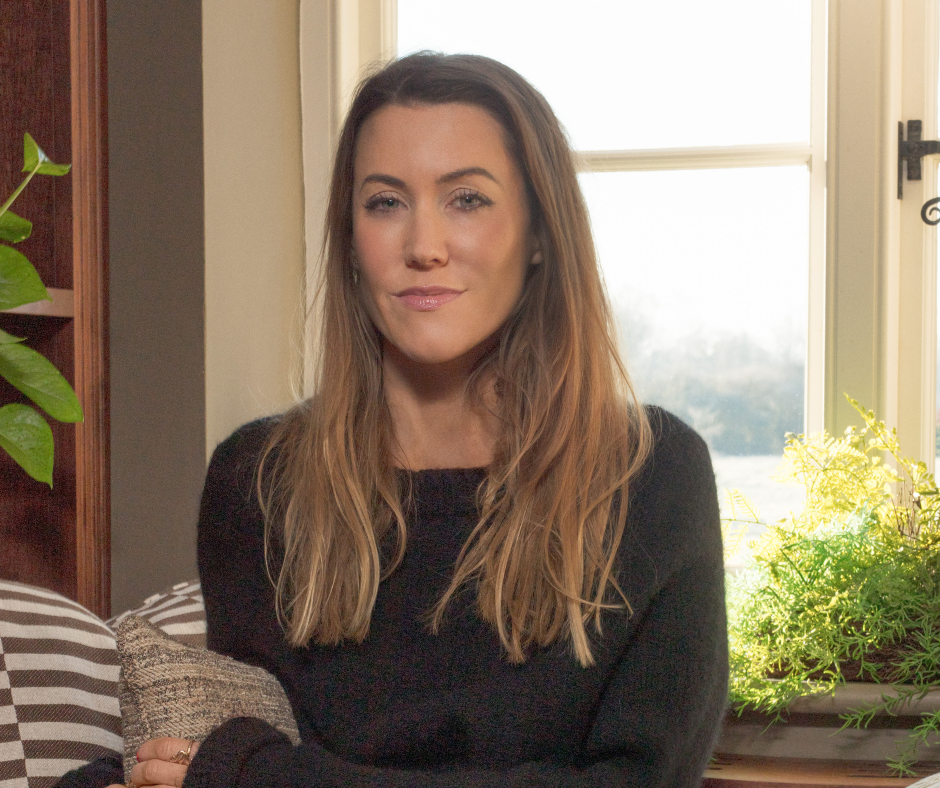
Emma, it would be great to start with a bit of context. Could you introduce Studio Hooton and the kind of work you focus on within the luxury residential space?
Studio Hooton is a London-based interior design company specialising in full-house residential projects. Our team is based across studios in Mayfair, Hampshire and the Cotswolds.
Working from the earliest stages, we partner with architects, private clients, developers and project teams to shape homes that feel highly personal, beautifully resolved and effortlessly liveable.
We’re acclaimed for our rigorous technical expertise and our instinctive grasp of what clients want. Balancing creativity with precision, every project is approached with a complete vision – from the structural fabric through to furniture, finishes, lighting and final installation.
I love that phrase “from the earliest stages” — because it does completely change the outcome. Taking it back a step, what actually led you to set up Studio Hooton in the first place? And how have those early experiences shaped how you design today?
I founded Studio Hooton over 15 years ago following my training at KLC in Chelsea, and an early role with Hugh Lesliein South Kensington. It was an invaluable introduction to the industry—working closely with leading suppliers, antiques dealers and specialist makers, and gaining a deep understanding of both the craft and the business of interior design. My first independent project came about organically through a personal connection, working on a Chelsea property for an international private client. That experience marked the beginning of the studio, which grew naturally from there—shaped less by a grand plan and more by opportunity, instinct and a clear sense of how I wanted to approach design.
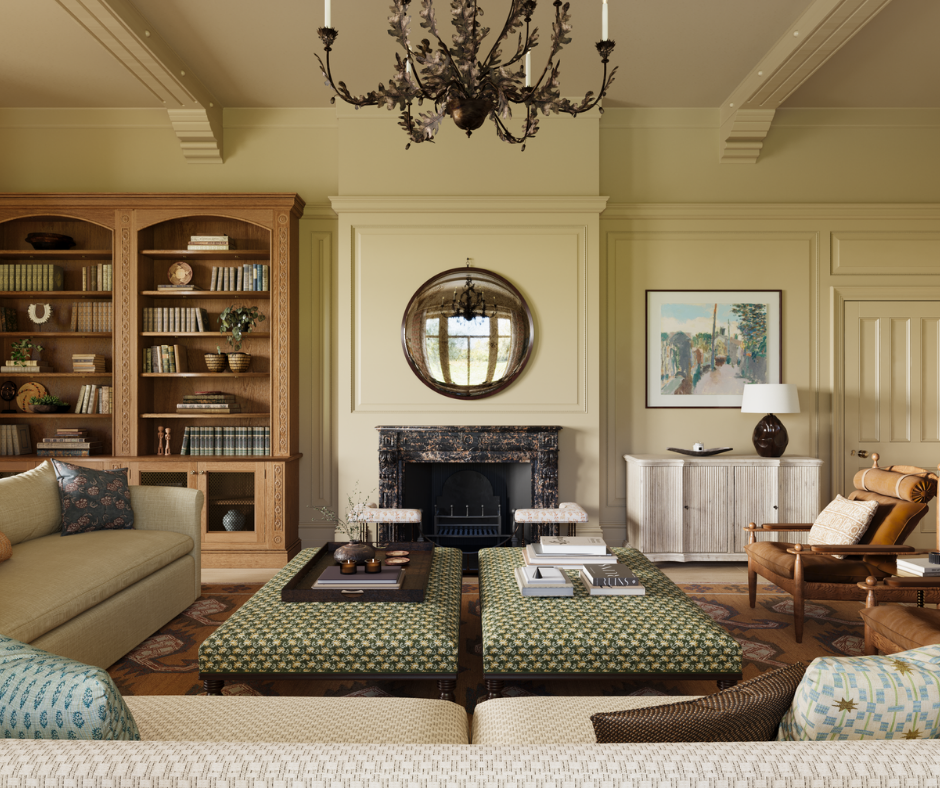
It’s interesting hearing you say that it grew more organically rather than from a rigid plan — because often those are the businesses that feel the most authentic.When you look at the market today, what do you think really sets Studio Hooton apart?
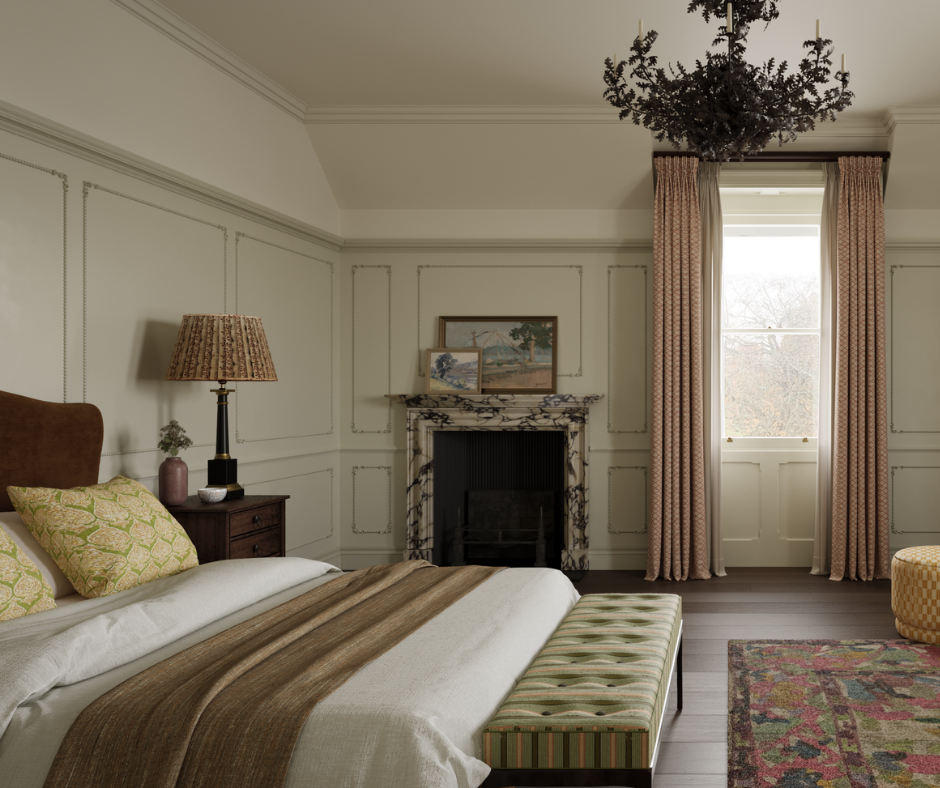
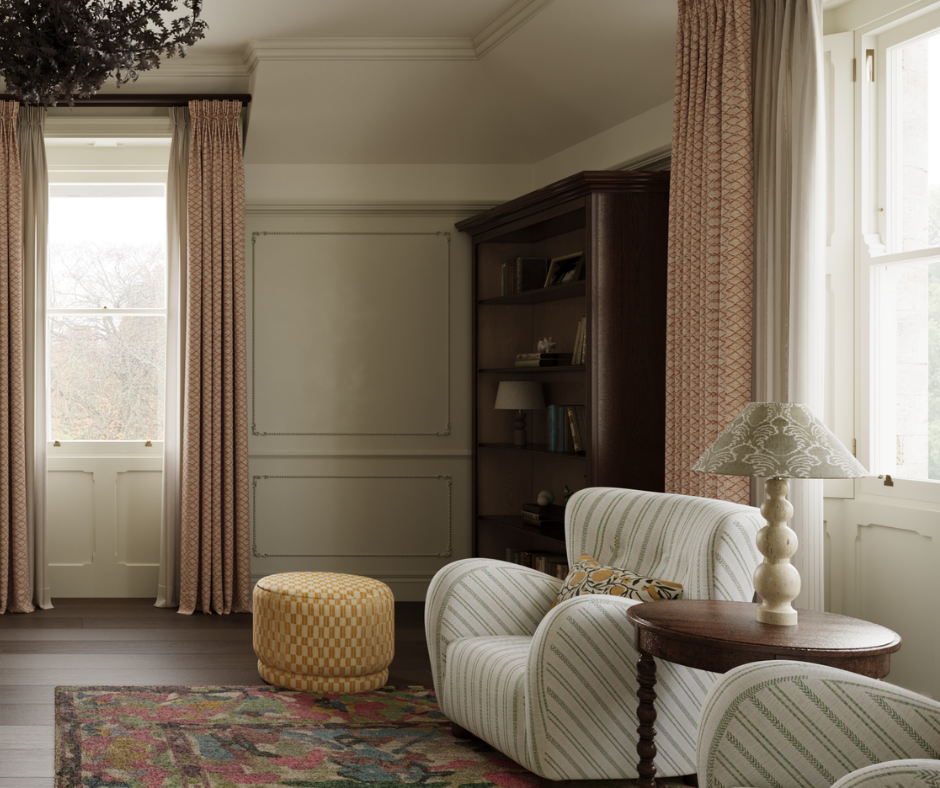
Studio Hooton stands apart by consciously rejecting the visual language that now defines much of the luxury property sector. A significant portion of high-end residential design has become highly polished, but also increasingly standardised—interiors that are immediately impressive, yet ultimately interchangeable. Our work is deliberately different. We design homes that are layered, nuanced and enduring; spaces that are not fully understood at first glance, but continue to reveal themselves over time.
This approach is grounded in a deep respect for British craftsmanship, historical context and the idea that the best interiors feel accumulated rather than assembled. As a tightly run, director-led studio, we remain closely involved in every project, allowing for a level of authorship and consistency that is often lost at scale.
We see leadership not as following market demand, but as quietly challenging it—offering an alternative to the prevailing “show home” aesthetic and creating interiors with individuality, longevity and cultural relevance.
That really resonates! Especially the idea of something revealing itself over time rather than being instantly “understood.” On a more day-to-day level, what does life actually look like inside the studio? What’s the rhythm, the culture, the way ideas come together?
A typical working day for me usually begins outside, on a dog walk. It’s a moment to think clearly about what’s ahead and set the tone before the pace of the day begins - alongside a very strong coffee.
At the studio, the morning starts with catching up with the team. There’s a natural energy to it—we’re a close-knit group, and that connection matters. It’s not forced; it just sets a positive, open rhythm for the day.
From there, we move straight into project work. If we’re preparing for a client meeting, that might mean final reviews of drawings, followed by time spent developing schemes. This is where the studio comes into its own. We work very collectively, but without losing individual perspective—everyone brings something slightly different, and that tension is what makes the work interesting. It’s a hands-on, instinctive process: fabrics out, samples everywhere, ideas being tested, rejected and reworked. It’s not neat, and it’s not formulaic, but it’s highly considered. That’s how we arrive at interiors that feel layered and natural, rather than designed in a single stroke.
There’s also a shared curiosity that runs through the team. We’ll often step out to look at historic houses or architectural details—recently spending time at Pitzhanger Manor—studying plasterwork, proportion and colour. That reference point is essential, particularly when working on newer properties, where we’re often introducing depth, character and a sense of permanence that isn’t there to begin with.
Alongside the creative work, there’s a constant layer of coordination—liaising with contractors, architects and project teams—and a strong discipline around communication. We’re rigorous about keeping clients informed, with clear, structured updates so they always feel connected and confident in the process.
No two days are the same, but there’s a consistent thread: a collaborative, energetic studio culture, a willingness to explore ideas properly, and a focus on creating something that feels authentic and enduring. I usually end the day much as I started—with another walk to reset, and occasionally some yoga if time allows.
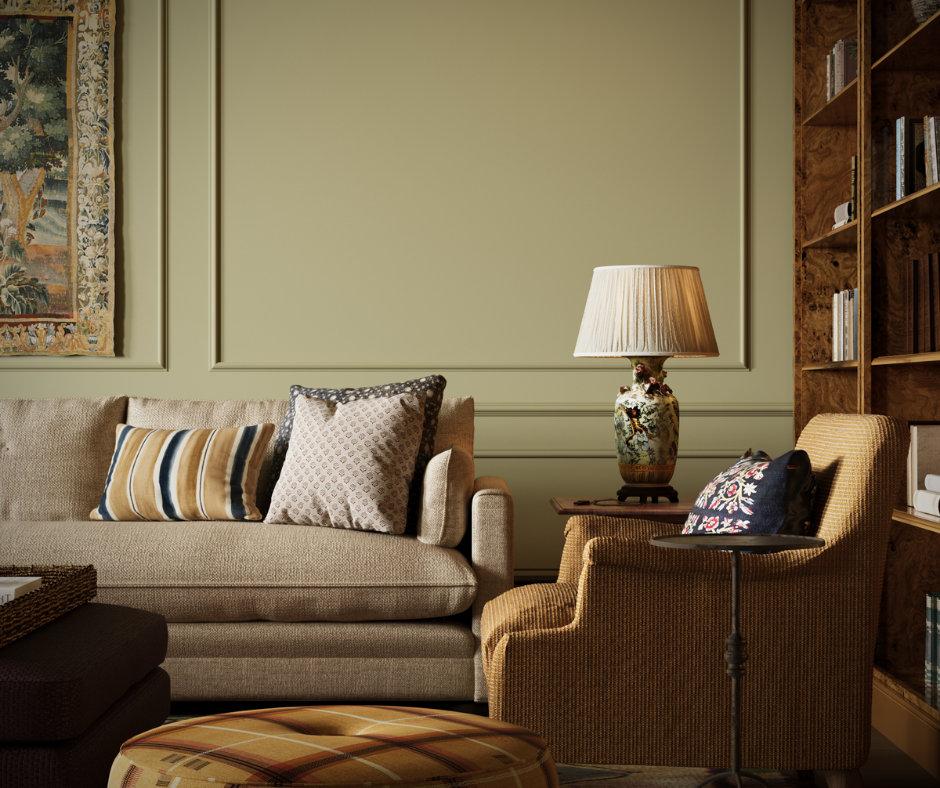
I love that and also the fact that it’s not neat or formulaic. You can really feel that in the work. Of course, building something like this over time doesn’t come without its challenges. What have been some of the key ones for you?
One of the ongoing challenges has been balancing creative integrity with client expectation. Many clients arrive with a clear idea of what “high-end” looks like, often shaped by what they’ve seen elsewhere. Part of our role is to gently shift that perspective—building trust and guiding them towards something more individual and enduring, which requires confidence and a willingness to hold our nerve.
Alongside that, as the studio has grown, there has been a conscious decision to protect the quality and authorship of the work. It can be tempting to scale quickly, but we’ve chosen to remain a tightly run, director-led studio to ensure every project retains the same level of care and attention.
Equally important has been building and maintaining the right team culture. In a small studio, the dynamic between people has a direct impact on the work itself. Creating an environment where ideas are openly shared, challenged and developed—while maintaining a strong sense of alignment and mutual respect—has been both a priority and an ongoing process.
That balance between holding your nerve and guiding the client is such a big one in this sector. And what have been some of the most meaningful highlights since founding Studio Hooton, both in terms of your work and the evolution of the studio?
One of the most unexpected highlights has been building the team. In the early days, it’s hard to imagine what that will look like—whether people will think in the same way, or care about the same things. What I’ve found is the opposite is far more valuable. Different perspectives, different instincts, different ways of seeing a space—that tension is where the best ideas come from. There’s real satisfaction in shaping roles around what people naturally gravitate towards and watching them become exceptional at it. It creates a studio that feels energised rather than managed.
Working on historic buildings has also been a genuine privilege. There’s something quite humbling about stepping into a place with real history and becoming part of its next chapter. We’ve worked on some remarkable properties, where the fabric of the building tells its own story, and collaborating with British craftspeople at that level—people who have spent decades refining their skill—is endlessly inspiring. You’re constantly reminded that the best work isn’t rushed, and it isn’t formulaic.
But equally, the real highlight is much quieter. It’s seeing how people actually live in the spaces once we’ve finished—how a house starts to feel entirely theirs. The small things matter: how a room flows, how a family gathers, how a space gets used without thinking about it. When that works well, it doesn’t announce itself, but it changes how people feel day to day.
And over time, one of the most rewarding parts has been the relationships that grow from that. Clients returning, or staying connected over years, is probably the clearest sign that what we’re doing resonates—and that’s something I value more than anything more visible.
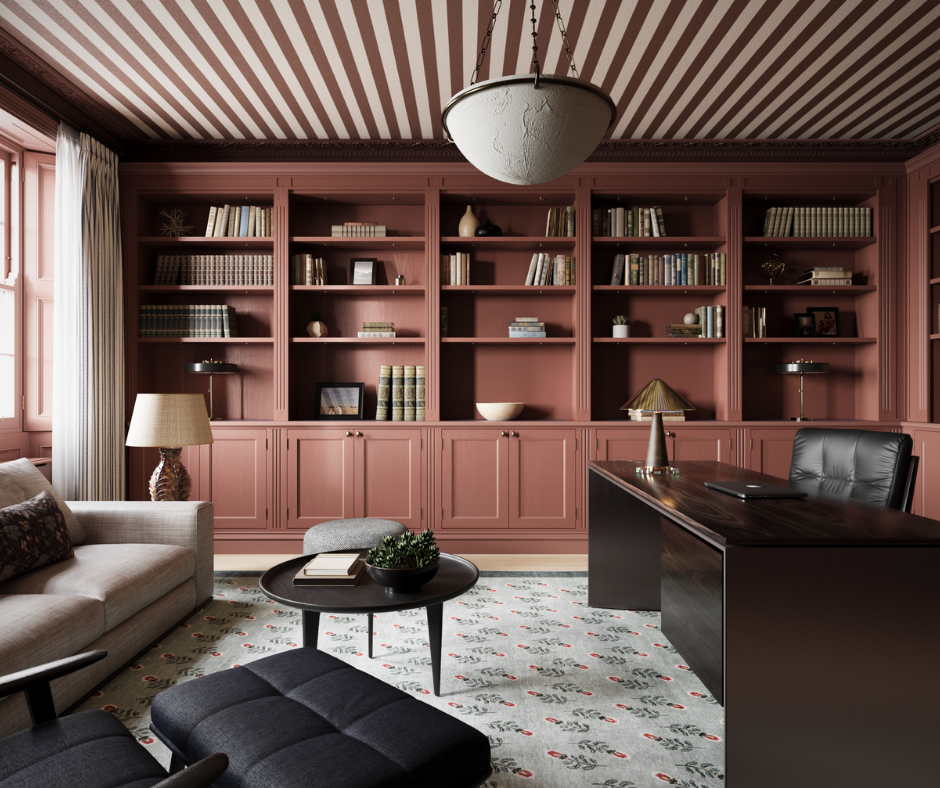
It’s so true, the quieter moments are often the ones that matter most. I’m always interested in what shapes people creatively. Who or what has shaped your perspective as a designer, and where do you draw inspiration from today?
I’m inspired by a combination of history, craftsmanship and people who take a less obvious path. The work of classical architects such as Robert Adam and Sir John Soane has always resonated with me—their understanding of proportion, light and detail, and the way their work continues to feel relevant centuries later. That sense of longevity, and the idea of creating something that could become part of a future heritage, is something I find incredibly motivating.
I’m also deeply inspired by Britain’s cultural identity in design—its sense of restraint, eccentricity and quiet confidence. Not heritage as something fixed or nostalgic, but as something that continues to evolve. That balance between tradition and originality is where I think some of the most interesting work happens.
Beyond that, I’m often more inspired by those working slightly outside the mainstream of the industry—designers who are carving out their own language rather than following established formulas. There’s a confidence in that which I find far more compelling than anything trend-led.
On a more immediate level, my team is a constant source of inspiration. The exchange of ideas, different perspectives and shared curiosity within the studio is what keeps the work evolving, and is often where the most interesting thinking begins.
And what advice would you offer to those looking to establish themselves as leaders within the luxury property sector?
My advice would be to develop a clear point of view and have the confidence to stand by it. The luxury property sector is full of highly competent work, but what truly sets people apart is a distinct perspective—and the discipline to carry that through consistently, rather than defaulting to what is familiar or expected.
Equally, creativity must be matched with rigour. At this level, clients value clarity, reliability and attention to detail just as much as design thinking. Delivering a considered, well-managed process is fundamental to building trust and long-term relationships.
It’s also important to recognise that luxury is not a fixed formula. The most compelling work often comes from a more individual, thoughtful approach—one that prioritises longevity, craftsmanship and authenticity over immediacy.
Finally, be patient. Building a reputation in this sector takes time, and is often shaped quietly through consistency, relationships and the cumulative quality of the work rather than any single moment.
Clarity and consistency — it sounds simple, but it’s actually very hard to do well. And Emma, how do you see the future of Studio Hooton evolving, and what does success look like for you in the years ahead?
In an ideal world, the future of the studio is about continued refinement rather than rapid expansion. I’m far more interested in deepening what we do—working on increasingly considered projects, with clients who value individuality, craftsmanship and a more thoughtful approach to design.
I would like the studio to be recognised not for scale, but for a clear and consistent point of view—creating interiors that feel enduring and culturally relevant, rather than moment-driven. That naturally leads towards more complex and interesting projects, whether that’s historic buildings, new properties that require a greater sense of character, or work in different locations where there’s an appreciation for British design and craftsmanship.
Internally, it’s about continuing to build a strong, collaborative team and maintaining the culture we have—ensuring the studio remains a place where ideas are explored properly and where people are able to do their best work.
Ultimately, success for me is not about doing more, but about doing the right projects, in the right way, and continuing to produce work that stands the test of time.
I really like thatrefinement over scale. It feels very aligned with where the market is heading. Finally, what does luxury mean to you?
For me, luxury is not about surface or immediate impact, but about depth and thoughtfulness. It’s the difference between something that is instantly impressive and something that continues to reveal itself over time.
True luxury lies in individuality—in spaces that feel entirely personal and cannot be easily replicated. That comes from a considered approach to design, an understanding of history, and a commitment to craftsmanship. It’s about materials that improve with age, details that are quietly resolved, and interiors that feel as though they have evolved rather than been imposed.
It also extends to the experience of the process itself. Time, attention and care—both in how a project is designed and how it is delivered—are, in many ways, the greatest luxuries of all.
Ultimately, I see luxury as something enduring rather than immediate: a sense of permanence, authenticity and ease that holds its value long after trends have passed
ABOUT
Studio Hooton is an interior design practice creating timeless, elegant interiors for private residences and developments. Founded in 2010, the studio offers full design and project coordination services, guiding clients from initial concept through to completion. With studios in London and Winchester, Studio Hooton works across the UK and internationally, delivering bespoke interiors that balance practicality with refined aesthetics. The studio’s approach is rooted in collaboration, ensuring each project reflects the client’s lifestyle, aspirations, and architectural context. Services include space planning, bespoke joinery design, material sourcing, and FF&E specification, with every detail carefully considered. Studio Hooton is known for its ability to combine classic design principles with contemporary elements, resulting in interiors that feel both timeless and relevant. Its portfolio spans family homes, luxury apartments, and heritage properties, each project united by a focus on craftsmanship, comfort, and enduring design.
get in touch
E:studio@studiohooton.com
LONDON
32 Curzon Street, Mayfair, London W1J 7WS
020 7349 7090
THE HOME COUNTIES
57 Upper Brook Street, Winchester, Hampshire SO23 8DG
01962 620491
COTSWOLDS
Harley House, 29 Cambray Place, Cheltenham GL50 1JN
020 7349 7090