
HollandGreen: Heritage Architecture and Sustainable Design
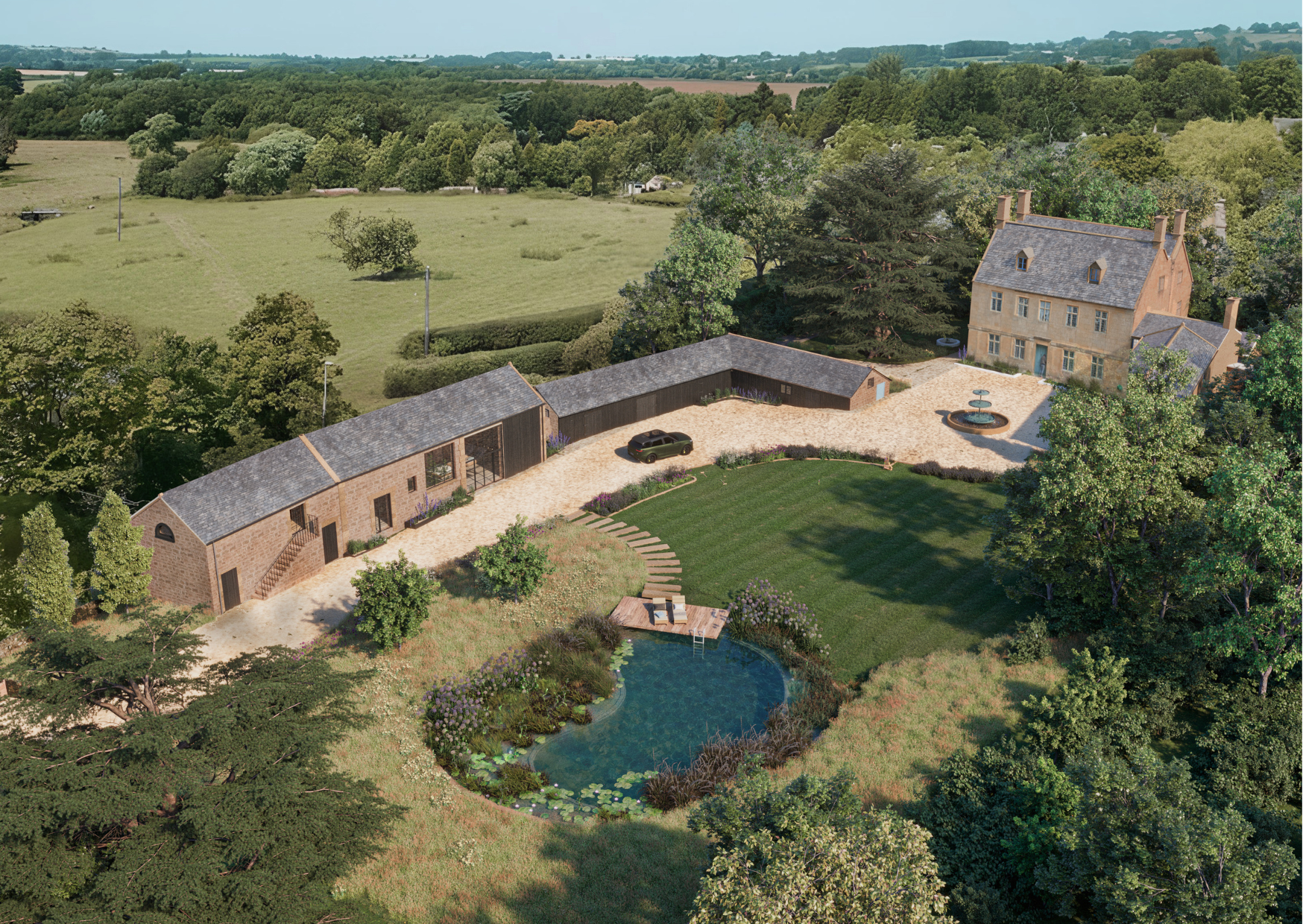
At the super-prime level, successful planning outcomes are shaped by far more than architecture alone. In sensitive rural, heritage, and environmentally constrained settings, landscape strategy is increasingly recognised as a critical driver balancing visual restraint, ecological responsibility, and long-term stewardship.
In this LPF Insider feature, Mark Latchford, Director of Landscape Design at HollandGreen, explores how landscape-led thinking can strengthen planning applications, resolve complex site conditions, and support approval across some of the UK’s most challenging residential projects.
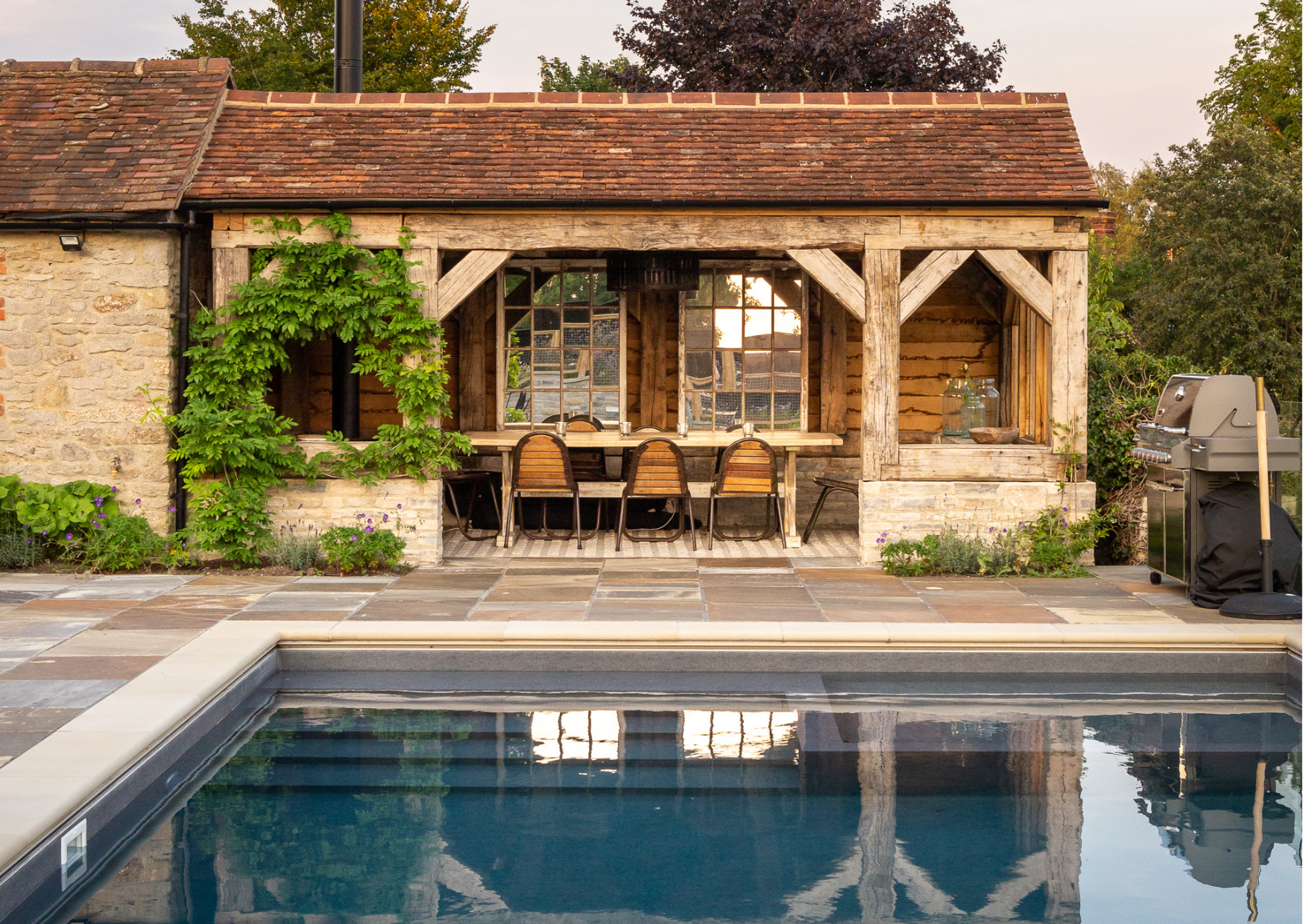
Image credit: HollandGreen
Sustainability and heritage conservation are often positioned as opposing forces, yet in practice we see them working most successfully in parallel.
“The question isn’t whether a historic home can meet modern standards, it’s how to do so without compromising the qualities that make it unique”
When approached with care, heritage homes can become more comfortable, more efficient, and better suited to contemporary living, all without sacrificing the character that defines them.
As a multidisciplinary design practice specialising in both contemporary and heritage architecture across Oxfordshire, the Cotswolds and the Home Counties, we have long worked at the intersection of preservation and innovation. Our approach is rooted in a deep understanding of how older buildings behave, allowing us to identify where carefully judged interventions will deliver lasting benefit.
“Every surface, every join, every detail tells a story. Our role is to enhance that story without rewriting it.”
We don’t apply modern standards indiscriminately; instead, we enhance performance in ways that feel natural to the architecture, strengthening the building’s integrity for the future.
Understanding the Building Before Making Change
Our approach to heritage homes is always investigative. We begin by understanding original materials, mapping past alterations, assessing ventilation routes and moisture behaviour, and clarifying the building’s statutory or heritage protections, including listed status or conservation restrictions. These insights are not just technical; they form the basis of a tailored strategy for every home.
“If you don’t take the time to understand a building’s character and quirks, any intervention risks doing more harm than good.”
Even modest improvements, refining ventilation, addressing draughts, or upgrading heating controls can deliver immediate comfort and efficiency gains. This measured, knowledge-driven approach prevents unnecessary disruption and ensures that upgrades emerge from understanding, not assumption.
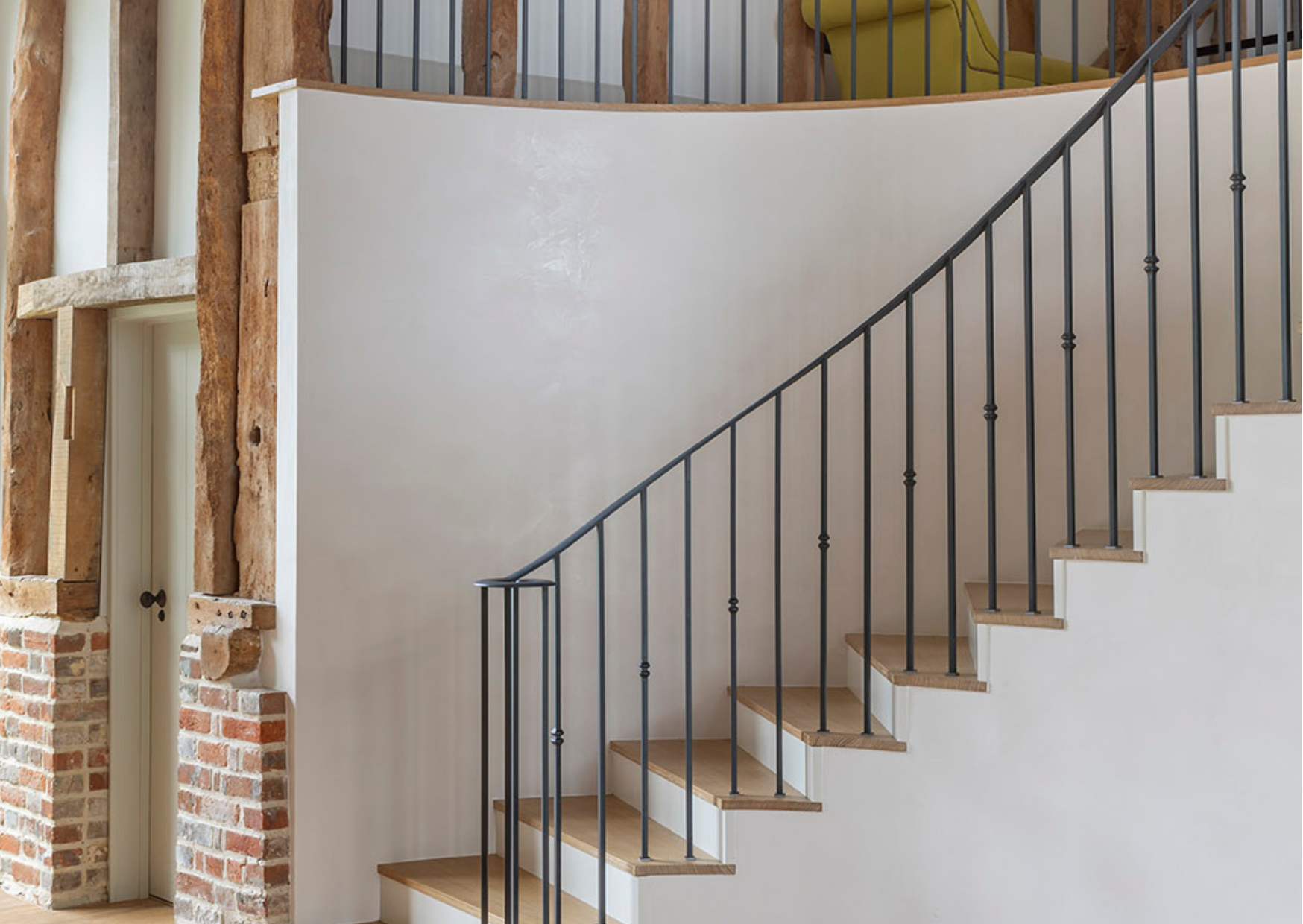
Thermal Upgrades That Respect the Fabric
Historic buildings are designed to breathe. Their performance depends on the movement of air and moisture through permeable materials. Conventional insulation systems, which are impermeable and airtight, risk trapping moisture. A more sympathetic palette, sheep wool, hemp, wood fibre, respects natural behaviour while improving comfort. Roofs and lofts often offer the highest return with minimal visual impact.
Floors and walls demand nuance. Stone or limestone floors often perform better untouched, while timber floors may allow insulation between joists if ventilation is preserved. Internal wall insulation using breathable systems such as calcium silicate or wood fibre boards improves comfort without undermining historic fabric. When external insulation is considered, original detailing and visual character must guide the solution.
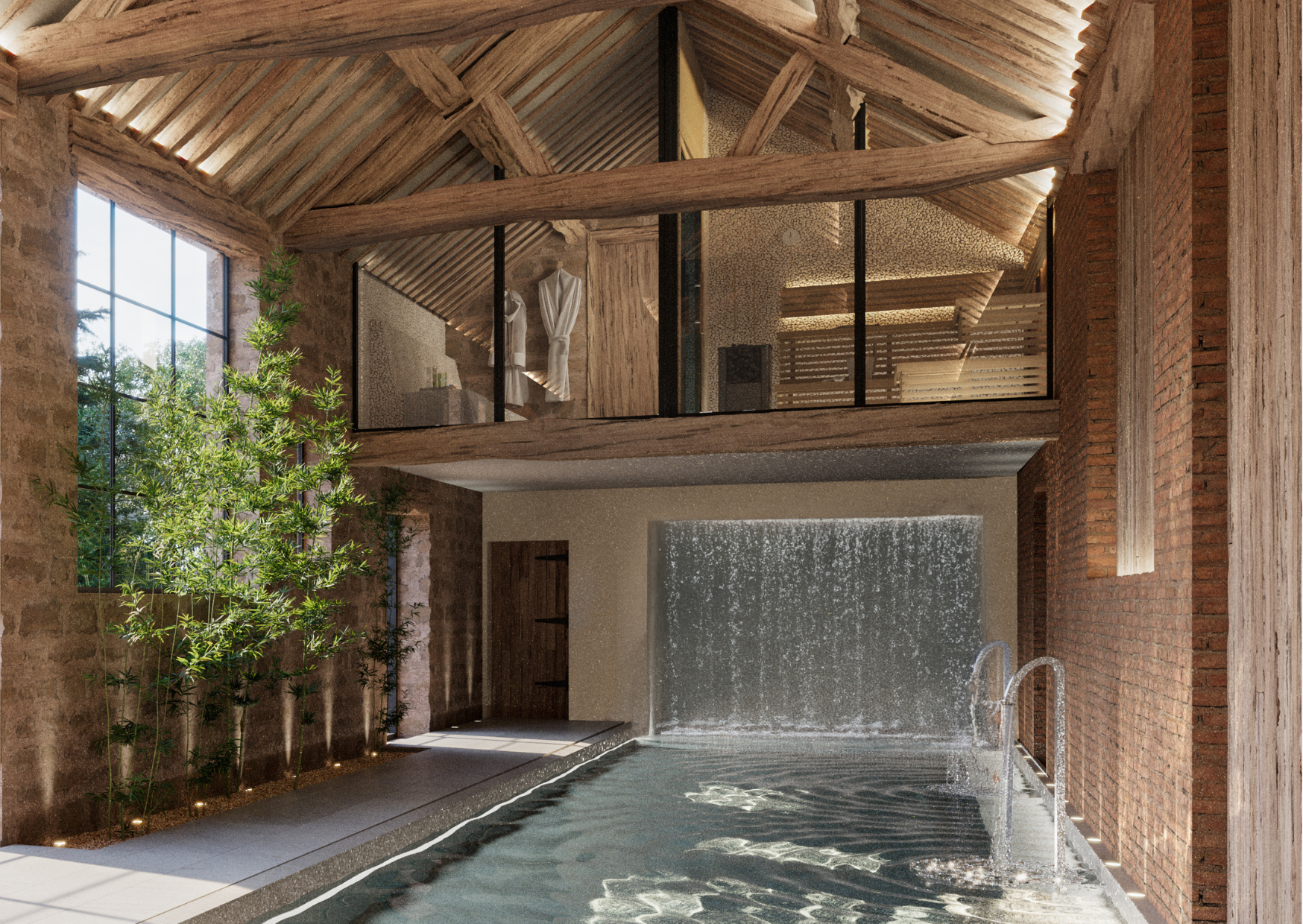
Subtle Enhancements to Openings
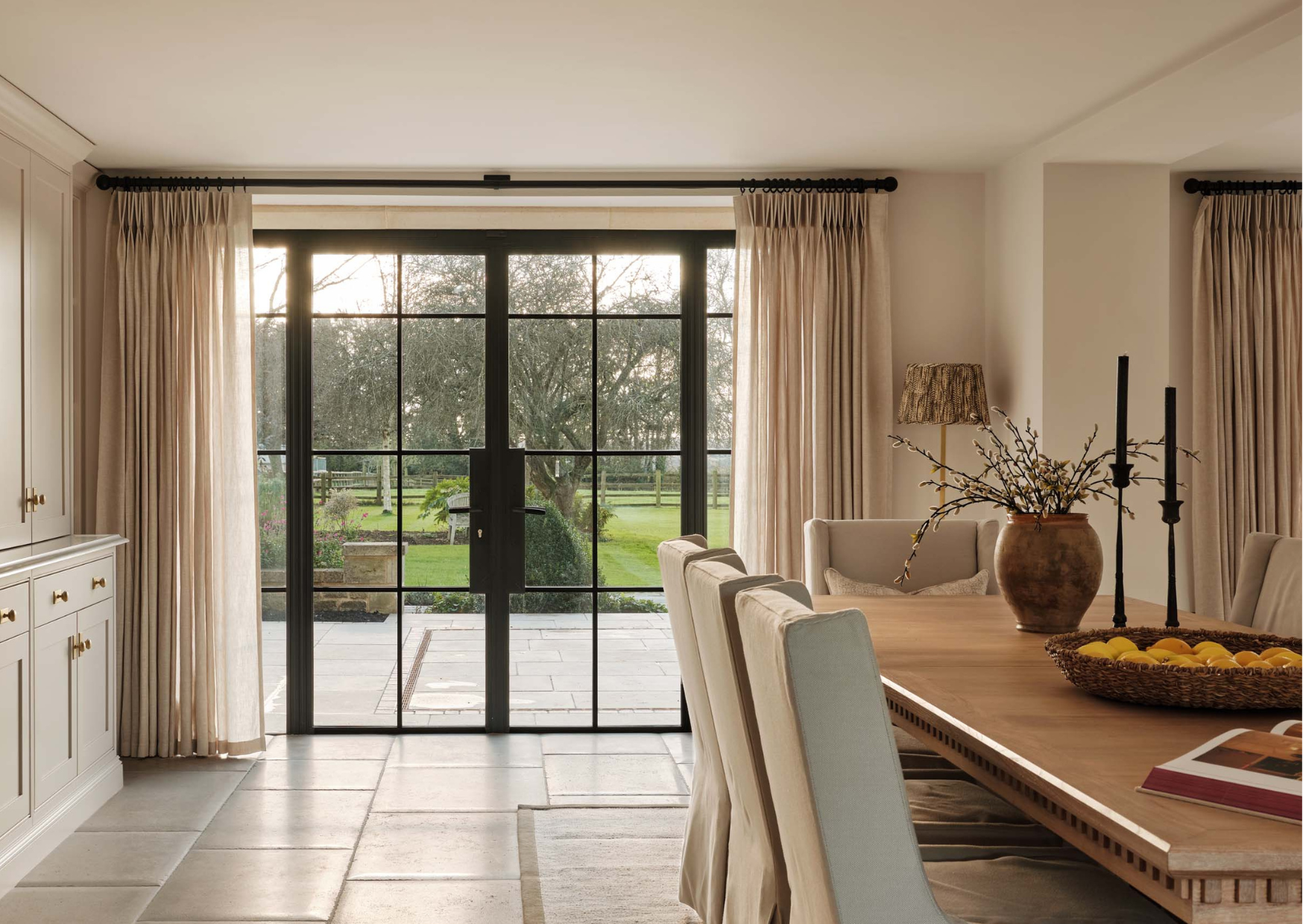
Windows and doors carry immense heritage value. Replacing them can strip authenticity. Instead, we enhance performance through subtle upgrades: slim-profile double glazing, secondary glazing, or advanced vacuum glazing integrated with existing frames, combined with draughtproofing and carefully considered shutters or curtains.
“The aim,” James explains, “is always to make interventions that feel invisible yet transformative.”
Heating Solutions Suited to Older Buildings
Successful heating strategies align with a building’s layout, scale, and thermal behaviour. Sometimes, improving controls and distribution is sufficient. In other cases, modern technologies like air or ground source heat pumps become viable once insulation and moisture management are addressed. Biomass systems may suit rural properties. Appropriateness is key: the building dictates the solution, not the other way around.
Reframing Listed Homes for Modern Living
Listed status is often perceived as a barrier, yet planning policy is designed to ensure change is responsible, not prohibitive. With the right guidance, contemporary kitchens, bathrooms, and living spaces can coexist seamlessly with historic architecture. We work closely with conservation officers, Historic England, and specialist consultants to navigate these processes.
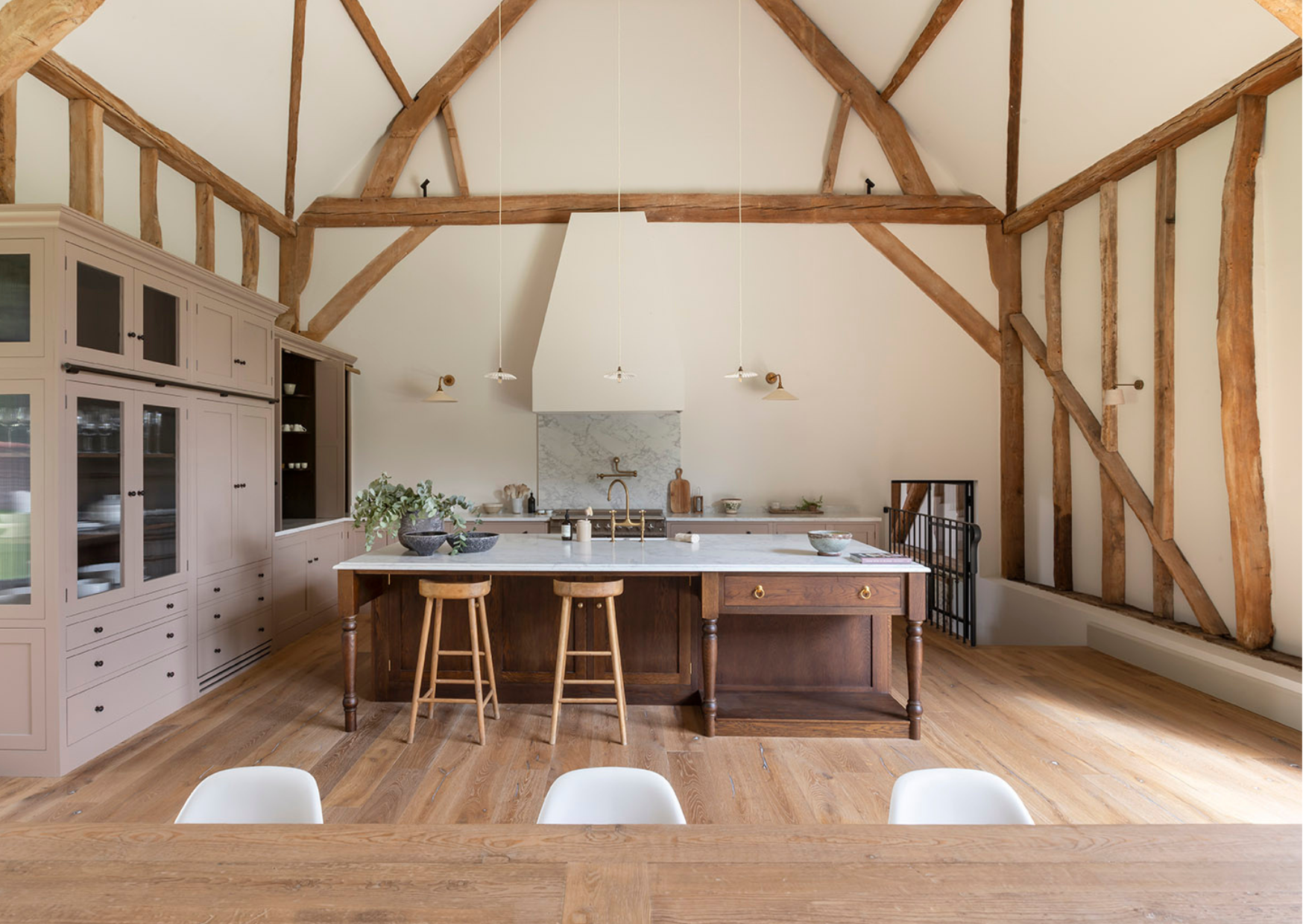
“The art is in balancing intervention with respect, modern comforts should complement, not compete with, the heritage fabric, whether within the home itself or in the surrounding landscape, where every planting, pathway, and view is considered as part of a seamless whole.”
A Balanced, Sustainable Future for Heritage Homes
The most successful heritage projects approach sustainability with the same sensitivity as design. Upgrades should enhance performance, reduce energy demand, and preserve fabric, all while improving liveability. When interventions are careless, they risk damp, discomfort, and loss of character; when done with insight and skill, they extend the building’s life and value.
Historic homes carry narratives that evolve with each generation. Thoughtful design does not overwrite that story, it strengthens it. With an integrated architectural, interior, and landscape design team, we bring clarity to a complex process, helping clients modernise with confidence and ensuring these homes continue to thrive for decades to come.
About HollandGreen
HollandGreen is an integrated design practice bringing architecture, interior design and landscape design together under one roof. Its landscape team works closely with architects, planners and consultants to create proposals that respond sensitively to their context, balancing visual restraint, ecological responsibility and long-term stewardship. This collaborative approach ensures that homes and landscapes are conceived holistically, strengthening planning outcomes and delivering considered, enduring environments.
get in touch
For all project enquiries, please email:
For CPD enquiries, please email:
For architecture supplier enquiries, please email:
architecture@hollandgreen.co.uk
For interior design supplier enquiries, please email:
For landscape design supplier enquiries, please email: landscapes@hollandgreen.co.uk